Pain after a tackle, fall, training session or repeated movement does not reveal whether you have a sprain, fracture, tendon problem or joint injury. You will learn how an orthopaedic assessment works, which symptoms need urgent care, how tests and treatment are selected, and what to check before choosing a local service.
Key takeaways
- Describe the injury’s exact movement, timing, and whether it developed gradually.
- Seek emergency care for deformity, uncontrolled bleeding, loss of sensation, or a cold limb.
- Imaging depends on examination findings, injury mechanism, and suspected tissue damage.
- Return to sport follows restored strength, movement, balance, and sport-specific function.
What happens during the first sports-injury appointment?
1. The first appointment starts with questions about when the injury occurred, whether one event caused it or training triggered it gradually, and the exact movement involved.
Tell the doctor where it hurts, whether there is swelling, bruising or a popping sound, what previous injuries you have had, how your training load changed and what function you lost.
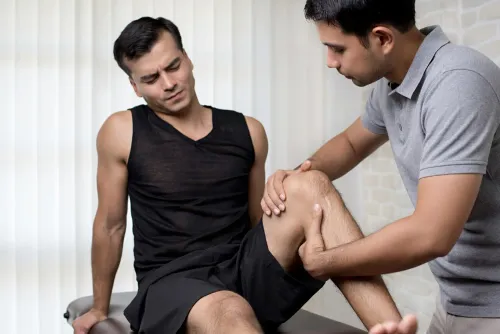
2. An orthopaedic doctor in Isro Layout compares the injured and uninjured sides. The examination covers active and passive range of motion, muscle strength, joint stability, tenderness, and your ability to walk or bear weight.
3. A neurovascular check examines skin colour and temperature, pulses, sensation and movement below the injury. Pain intensity alone does not establish the diagnosis.
Sports injury symptoms such as stiffness, weakness, reduced movement, giving way, locking, catching, swelling, bruising or inability to bear weight guide the examination but do not identify the damaged tissue by themselves.
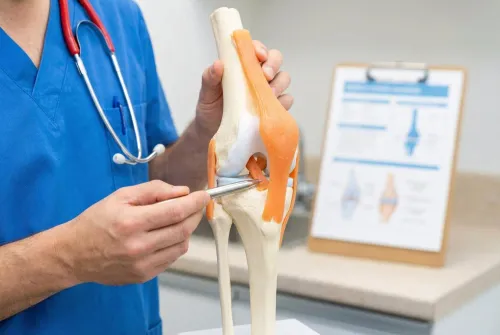
4. After examination, the doctor can explain whether the findings fit an ankle sprain, muscle strain, tendon injury, suspected ACL or meniscus injury, stress fracture or concussion. If concussion is suspected, remove yourself from play immediately and do not return that day.
5. Prepare for orthopaedic doctor in Isro Layout sports injury treatment by bringing:
- Previous scans and reports
- Your medication list
- The injury date and symptom timeline
- Recent training changes
- The footwear or equipment used when the injury happened
Which sports injuries need a clinic visit, and which need emergency care?
Book an orthopaedic appointment for sports injury symptoms that persist after an apparently minor injury, including pain, swelling, bruising, restricted movement, instability, weakness, locking, night pain or difficulty returning to normal activity.
| Situation | What to do | Why it matters |
|---|---|---|
| Persistent symptoms | Book a clinic visit | Ongoing pain or loss of function may indicate damage beyond a simple strain |
| Suspected fracture, dislocation, major tendon rupture or unstable ligament injury | Arrange prompt orthopaedic assessment | These injuries need examination and possible immobilisation |
| Open fracture, visible deformity, severe or uncontrolled bleeding, rapidly increasing swelling, cold or pale or blue limb, absent pulse, new numbness or weakness, pain out of proportion, or suspected spinal cord injury | Go to a hospital emergency department | Blood supply, nerves, the spine or the limb may be at risk |
A head injury with suspected concussion requires immediate removal from play and medical assessment. Do not return to sport that day or treat it as a routine appointment.
Stop playing and protect the area. Apply ice wrapped in a cloth for short periods, use compression only if it causes no numbness or colour change, and elevate the limb. Do not massage or apply heat while swelling is increasing, play through pain, or return while walking remains painful. Not every injury needs ice.
Avoid self-prescribing pain medicines. Anti-inflammatory drugs can affect the stomach, kidneys, blood pressure and cardiovascular system, and can interact with other medicines. Ask a clinician or pharmacist before using them, especially for sports injury treatment near Isro Layout.
How does the doctor decide whether imaging is necessary?
Imaging follows the examination and suspected diagnosis; a scan is not automatically needed for every sprain or strain. A sports injury doctor near Isro Layout reviews the injury mechanism, tenderness, movement, function and sports injury symptoms before choosing a test.
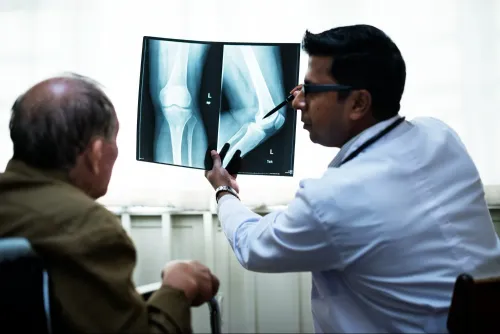
X-rays show fractures and dislocations. For an acute ankle injury, the Ottawa Ankle Rules support an X-ray when there is bone tenderness at the posterior edge or tip of either malleolus, the navicular or the base of the fifth metatarsal, or when you cannot take four steps immediately after the injury and during assessment.
These rules assist examination; they do not replace it.
Ultrasound can assess some superficial tendons, muscle tears, fluid collections and movement in real time. MRI gives better detail of many ligaments, menisci, tendons, cartilage, bone marrow and stress injuries, especially when symptoms persist or the result will change treatment.
CT provides detailed bone images for complex fractures or surgical planning, but exposes you to radiation.
A normal X-ray does not rule out an ACL, meniscus, tendon, cartilage or stress injury. Ask:
- What structure is this test intended to assess?
- How will the result alter my treatment?
- If symptoms continue, should I be reassessed before ordering another scan?
What does treatment and recovery involve before return to sport?
Recovery starts with protecting the injured structure and reducing activities that increase pain, not with complete bed rest. Treatment then advances toward controlled loading as symptoms and examination findings allow.
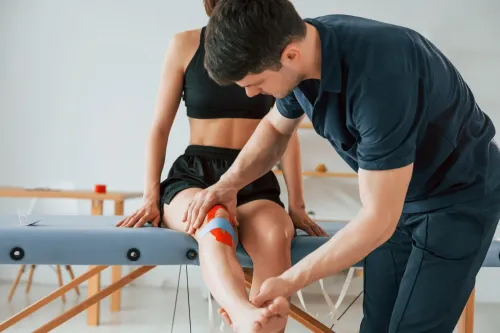
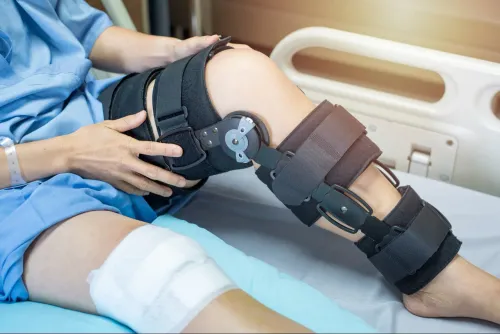
- Use pain control, activity modification, and the right support: a brace, taping, splint, walking boot, or crutches when needed. Short-term immobilisation can protect healing tissue, but prolonged rest creates stiffness and weakness.
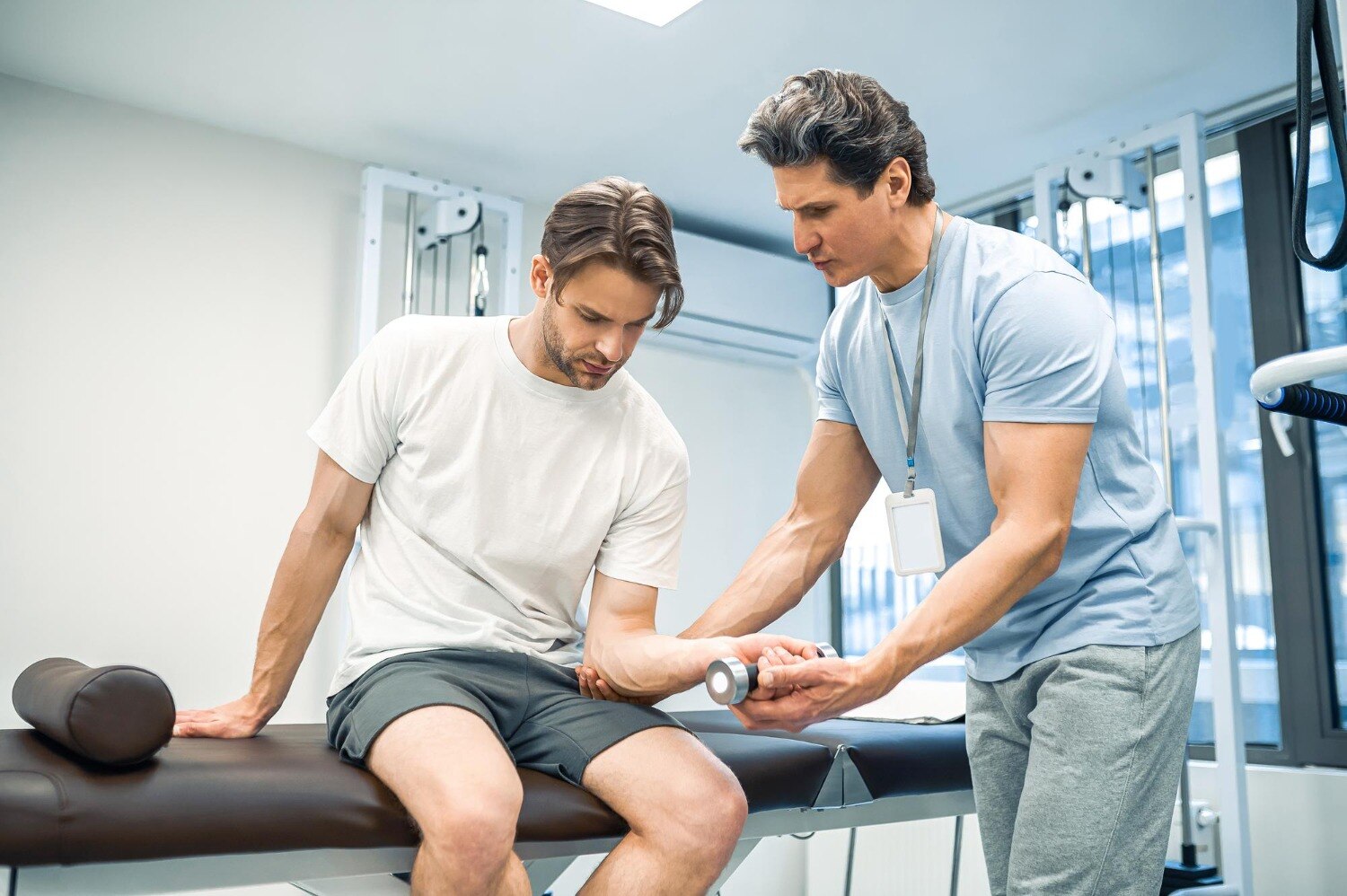
- Begin protected movement when safe. Physiotherapy develops mobility, strength, balance, proprioception, and sport-specific control through prescribed exercises and home practice.
- Compare non-operative care with ligament reconstruction, meniscus surgery, or fracture fixation when stability, locking or catching, fracture displacement, sport demands, rehabilitation effort, and surgical risks make the choice important.
There is no dependable recovery number of days. The injured tissue, severity, treatment, previous surgery, age, sport demands, and adherence to exercises all change the timeline. A return-to-play decision depends on function: pain-free full range of motion, near-symmetrical strength, no significant swelling, confidence in the limb, and successful hopping, running, cutting, and sport-specific drills.
Children need growth-plate and development review; older adults need bone health and balance assessment. Recreational athletes and people returning after surgery need gradual load progression, not an abrupt return. For concussion, follow a medically supervised six-step progression, spending at least 24 hours at each step and moving back if symptoms worsen.
When choosing sports injury treatment near isro layout, ask how readiness will be tested rather than accepting a calendar date.
How should you evaluate sports injury care near Isro Layout?
Choose care by capability, not postcode. A sports injury doctor near Isro Layout should perform a complete movement, stability and neurovascular examination, not offer pain medicine alone. Ask how it chooses X-ray, ultrasound, MRI or CT, arranges bracing or immobilisation, coordinates physiotherapy and provides follow-up.
| Check | Ask | Why it matters |
|---|---|---|
| Examination | Movement, stability, circulation, sensation and strength checks | Finds problems pain alone cannot identify |
| Imaging | What each scan is intended to show | Avoids unnecessary tests and missed injuries |
| Support | Bracing, immobilisation and physiotherapy arrangements | Matches protection with rehabilitation |
| Access | Appointment availability, travel distance and same-day suitability | Fits urgent and repeat visits |
Do not use a nearby clinic for an open fracture, deformity, cold or pale limb, loss of sensation, suspected compartment syndrome, spinal injury or serious head injury. Ask where it sends these cases, because they need emergency-level referral.
Rehabilitation takes effort: expect repeat visits, home exercises, physiotherapy, gradual strength work and sport-specific progression. Return should follow function, including near-normal movement, strength, hopping, running and cutting without significant pain or swelling.
Prevent recurrence with a progressive warm-up, gradual training-load changes, strength and balance work, adequate sleep and recovery, and checks of footwear and equipment. Persistent swelling, locking, giving way, night pain or inability to resume ordinary activity warrants reassessment.
When comparing an orthopaedic doctor in Isro Layout providing sports injury treatment, Leela Health Care Orthopaedic Clinic Banashankari is worth considering only if its access, referrals and follow-up fit your injury.
Related service
ORTHOPEDIC Sports Injury Treatment in Banashankari, Bangalore Dr Prajwal KN, Orthopaedic Sports Injury Specialist If you're in need of sports injury treatment... View service → |
Frequently asked questions
What happens during the first sports-injury appointment?
The orthopaedic doctor asks when the injury occurred, whether one event or training caused it, and which movement triggered symptoms. They examine pain, swelling, movement, strength, stability, sensation, and circulation before discussing treatment or imaging.
Which sports injuries need a clinic visit, and which need emergency care?
Arrange a clinic visit for persistent pain, swelling, reduced movement, recurring symptoms, suspected sprains, strains, tendon injuries, or pain that worsens with training. Seek emergency care for an obvious deformity, an open injury, uncontrolled bleeding, severe pain after major trauma, loss of sensation, or a limb that is cold or pale.
How does the doctor decide whether imaging is necessary?
The decision combines the injury mechanism, examination findings, pain location, movement limits, and concern about bone, ligament, tendon, or cartilage damage. X-rays help assess fractures and dislocations; ultrasound can assess some superficial soft tissues; MRI provides detailed views of ligaments, tendons, cartilage, and other structures.
What does treatment and recovery involve before return to sport?
Treatment can include activity modification, pain control, bracing or support, physiotherapy, and rehabilitation exercises. Return to sport should wait until pain and swelling are controlled and strength, movement, balance, and sport-specific movements have recovered.
How should you evaluate sports injury care near Isro Layout?
Check whether the clinic offers orthopaedic assessment, appropriate imaging referrals, physiotherapy or rehabilitation guidance, follow-up appointments, and clear return-to-sport criteria. Ask how urgent findings are handled and what records or scan reports you should bring.
Keywords