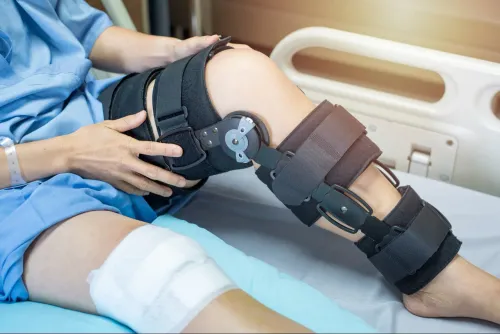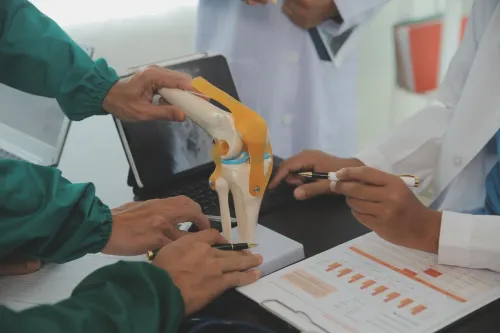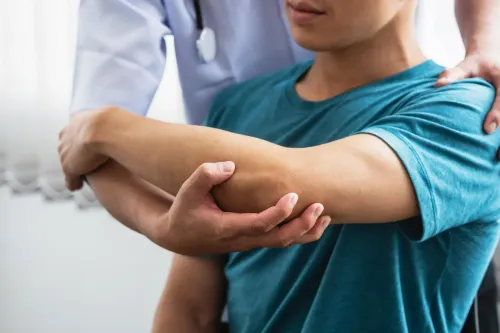
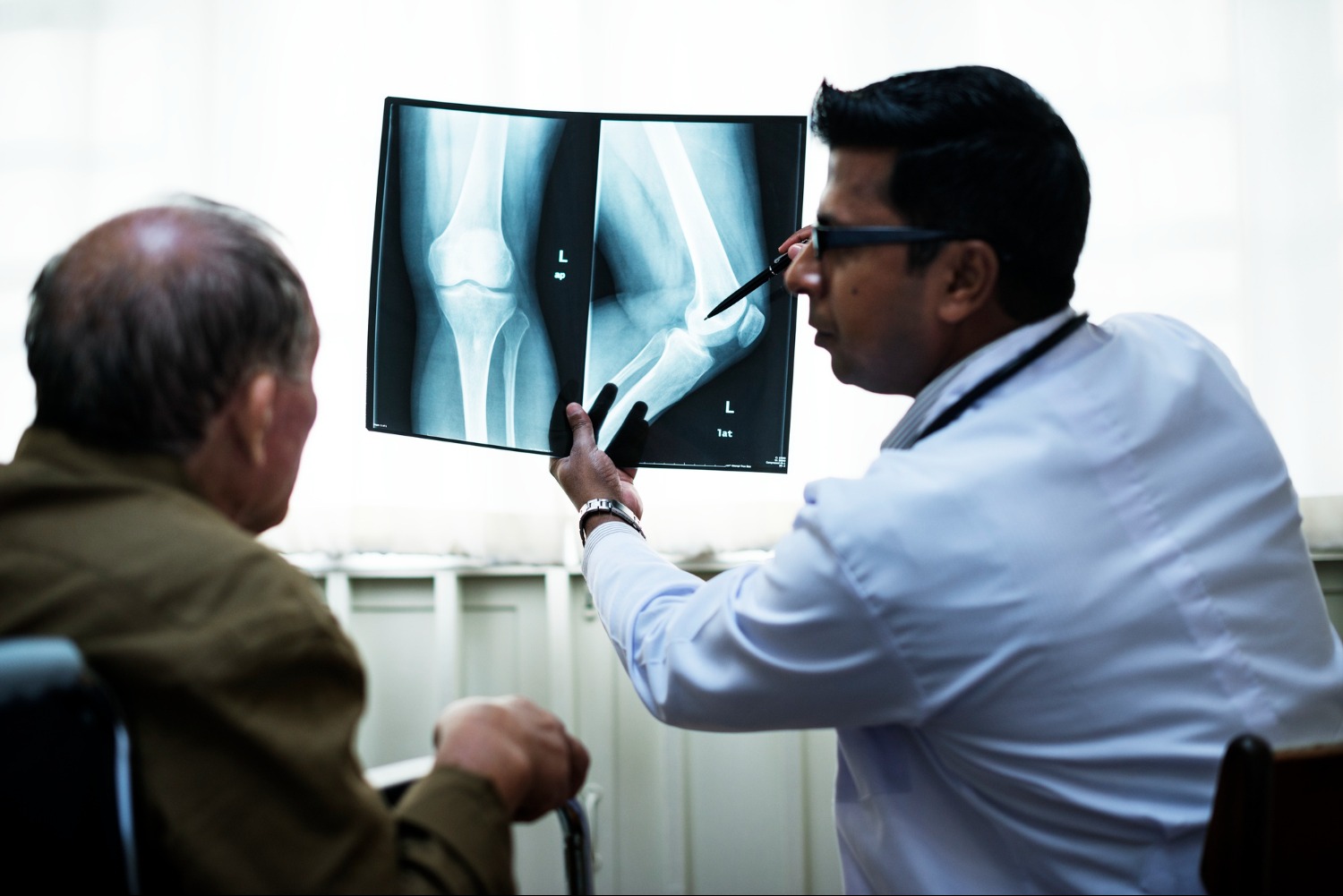
Searching for an orthopaedic specialist in Bengaluru can become confusing because orthopaedics covers a wide range of conditions. Knee arthritis, fractures, ACL tears, shoulder injuries, childhood bone problems, and low back pain may all fall under musculoskeletal care, but they do not require identical treatment.
Knowing what to look for before booking an appointment can help patients choose an appropriate consultation and prepare more effectively.
When Should You Consider an Orthopaedic Consultation?
Orthopaedic assessment may be useful when pain, stiffness, weakness, instability, or injury is interfering with normal function.
Common reasons include:
- Persistent knee or hip pain
- Suspected fracture
- Sports-related knee injury
- Repeated joint instability
- Shoulder or elbow pain
- Persistent low back symptoms
- Reduced joint movement
- Childhood bone or limb concerns
- Difficulty walking because of arthritis
- Ongoing pain despite initial treatment
Severe trauma and neurological emergencies should be evaluated through appropriate emergency services rather than waiting for a routine clinic appointment.
Look for Diagnosis Before Treatment
Patients sometimes arrive expecting a particular procedure because they have researched PRP, arthroscopy, ACL reconstruction, or joint replacement online.
A proper orthopaedic assessment should begin with diagnosis.
For example, knee pain could arise from arthritis, ligament damage, meniscus injury, fracture, or another condition. The correct treatment can only be chosen after determining what is actually causing the symptoms.
Evaluate the Range of Treatment Options
A useful orthopaedic consultation should not assume that surgery is the answer to every problem.
Depending on the condition, management may involve physiotherapy, strengthening, activity modification, medication, bracing, selected injections, rehabilitation, or observation.
When surgery is appropriate, options can include arthroscopy, ligament reconstruction, fracture fixation, joint replacement, or other procedures depending on the diagnosis.
Prepare Questions Before Your Appointment
Patients can make consultations more productive by asking:
- What is the likely diagnosis?
- Do I need imaging or additional tests?
- What happens if I initially choose conservative treatment?
- Why is a particular procedure being recommended?
- What alternatives are available?
- What are the important risks?
- How long will rehabilitation take?
- When can I return to work, driving, exercise, or sport?
- Which warning symptoms should I watch for?
Answers should be specific to the individual rather than based entirely on generic recovery timelines.
Bring Relevant Medical Information
If available, bring previous X-rays, MRI scans, reports, prescriptions, and details of earlier treatment.
Patients considering surgery should also provide accurate information about medications, allergies, diabetes, blood pressure, previous operations, and other medical conditions. These details can affect treatment and perioperative planning.
Consider Follow-Up Requirements
Orthopaedic treatment frequently involves continuity.
Fractures may require repeat imaging. ACL reconstruction needs rehabilitation. Joint replacement requires post-operative follow-up. Spine conditions may need reassessment if neurological symptoms change.
For patients living and working in Bengaluru, accessibility for appropriate follow-up can therefore be an important practical consideration.
Leela Health Care Orthopaedic Clinic provides orthopaedic evaluation in Bengaluru for joint problems, fractures, sports injuries, spine and low back symptoms, paediatric bone concerns, and shoulder and elbow conditions.
Choose Based on the Quality of the Treatment Plan
A provider should help the patient understand both what treatment is recommended and why.
Claims such as 'fastest recovery,' 'guaranteed cure,' or 'completely painless surgery' should not substitute for an individual clinical assessment. Orthopaedic outcomes depend on the diagnosis, severity of disease, patient health, procedure, rehabilitation, and many other factors.
For patients across Bengaluru and Karnataka, a useful first consultation should provide clarity: what the problem is, whether additional investigation is needed, what conservative and surgical options exist, and what realistic recovery may involve.
That clarity allows patients to make informed decisions rather than choosing orthopaedic treatment based solely on procedure names or promotional promises.
Keywords