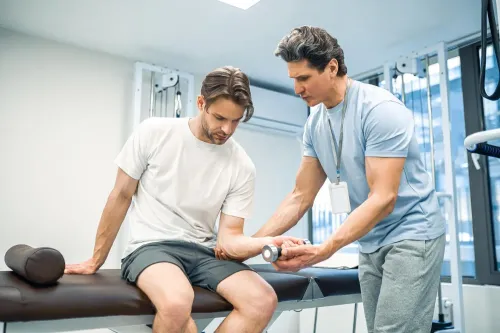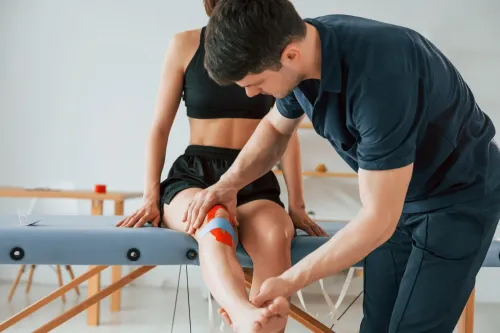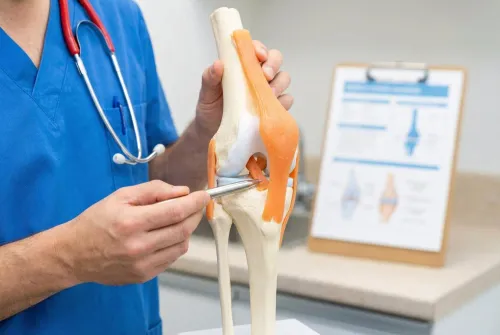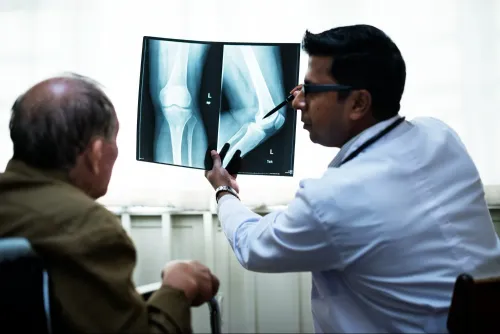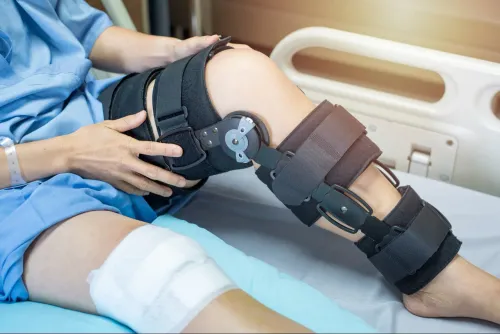
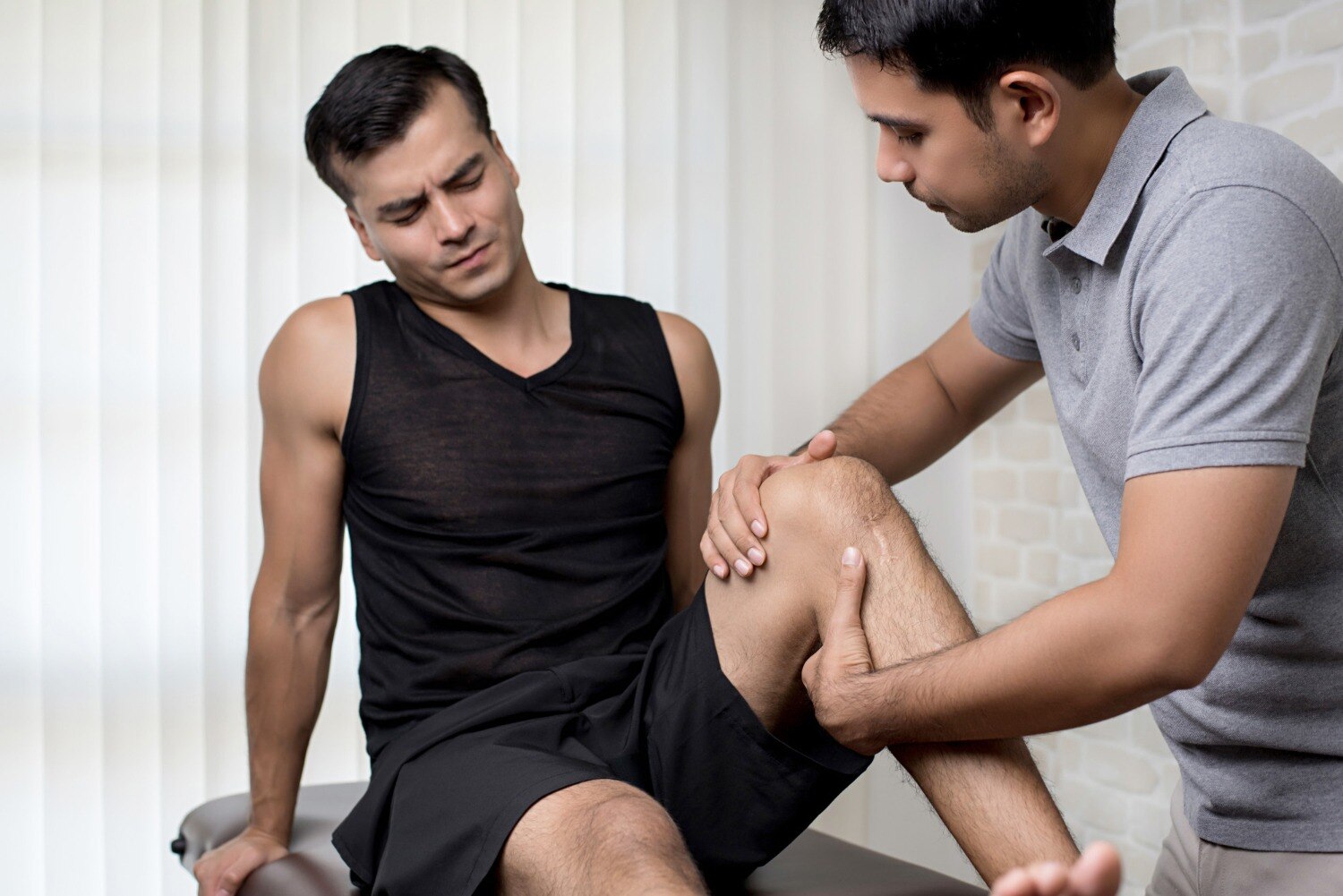
A sports injury needs the right level of care at the right time: emergency assessment for danger signs, a clinical examination for diagnosis and structured rehabilitation for recovery. You will learn how to triage the injury, choose a clinician, understand imaging and compare a nearby Banashankari option with the practical demands of travelling from ITI Layout.
Key takeaways
- Seek emergency care for deformity, numbness, heavy bleeding, or a cold, pale limb.
- Choose an orthopaedic clinician for suspected bone, joint, ligament, tendon, or muscle injuries.
- X-rays check fractures; MRI evaluates many ligament, tendon, cartilage, and soft-tissue injuries.
- Follow graded rehabilitation before returning to full-speed training or competition.
When a sports injury needs emergency care in the first 48 hours
Seek emergency care now rather than waiting for a routine sports injury treatment in ITI Layout if the injury causes:
- A visibly deformed joint, an open wound over a possible fracture, or bone visible through the skin
- Inability to bear weight after significant trauma
- A cold, pale, blue or unusually discoloured limb
- Numbness, loss of sensation, new weakness or inability to move the limb normally
- Rapidly increasing swelling or severe pain that does not ease
- Suspected compartment syndrome: tight, tense swelling with escalating pain, numbness or pain when the muscles are gently stretched
- Severe neck or back pain after an impact
- A head injury followed by vomiting, confusion, worsening headache, unusual drowsiness or suspected concussion
Stop play immediately. Protect the area from further movement, apply ice wrapped in cloth for 15–20 minutes at a time, and elevate a swollen limb. Avoid massage, heat, alcohol and forceful stretching during the first 24–48 hours.
An open wound, deformity or change in circulation, sensation or strength needs emergency evaluation, not a sports injury clinic appointment. Remove an athlete with suspected concussion from play on the injury day; do not allow return while symptoms remain under assessment.
For children, focal pain, swelling or inability to bear weight near a growth plate requires reassessment even when an initial X-ray looks normal. Growth-plate injuries can be subtle but affect future bone growth.
Which clinician should assess your injury?
An orthopaedic doctor is a practical first assessment for an acute sprain, suspected fracture, tendon pain, knee instability, recurrent ankle injury or unexplained swelling. The examination should establish the injury mechanism, exact pain location, swelling, movement, strength, stability, neurovascular status and ability to bear weight before treatment or imaging.
Do not diagnose a strain, sprain, dislocation, fracture, tendon injury or meniscus injury from symptoms alone.
Choose an emergency department first for:
- A deformed joint, open injury or suspected fracture with inability to bear weight
- A cold, pale or numb limb, new weakness or rapidly increasing swelling
- Severe unremitting pain, suspected compartment syndrome or severe spinal pain
- Serious head injury, vomiting, confusion or suspected concussion
| Clinician | Best fit | What happens next |
|---|---|---|
| Orthopaedic doctor | Acute injuries and uncertain diagnoses | Examines the injury and selects treatment or imaging |
| Sports-medicine physician | Performance injuries, concussion and return-to-play planning | Builds a sport-specific recovery plan |
| Physiotherapist | Recovery after serious injury assessment | Guides mobility, strength, balance and progressive loading |
| Orthopaedic surgeon | Structural problems, persistent instability, locked knee, complete tendon rupture or failed non-surgical care | Discusses whether surgery is justified |
Searching for an orthopaedic doctor in ITI Layout or a sports injury doctor near ITI Layout does not mean you need surgery. A physiotherapist becomes central after urgent problems are excluded, while a surgeon becomes relevant only when examination identifies a clear structural indication or rehabilitation has not worked.
What happens at the first appointment, and which scan is useful?
A proper sports-injury consultation starts with the history, not a scan. The clinician will ask how the injury happened—twist, fall, collision, pop or direct blow—and when swelling, pain or loss of function began.
The examination includes inspection, palpation, range-of-motion and strength testing, joint-stability tests, gait or weight-bearing assessment, and neurovascular checks of circulation, sensation and motor function. That sequence helps a sports injury clinic ITI Layout consultation target the right test instead of ordering imaging blindly.
For an ankle injury, the Ottawa Ankle Rules help decide whether an X-ray is indicated. Focal tenderness over either malleolus or a mid-foot bone, or inability to take four steps immediately and during assessment, supports referral for radiography in suitable patients.
| Scan | What it shows | When it helps |
|---|---|---|
| X-ray | Fracture and bone alignment | Suspected fracture or dislocation, especially after ankle trauma |
| Ultrasound | Selected superficial tendons, muscles, fluid collections and movement in real time | Accessible soft-tissue problems requiring a dynamic assessment |
| MRI | Many ligament, meniscus, cartilage, muscle and occult-bone injuries | Persistent symptoms or examination findings suggesting internal injury |
| CT | Detailed bone images | Complex fractures or anatomy that an X-ray does not define |
A normal X-ray does not exclude a ligament, tendon or meniscus injury, and it can miss an occult-bone injury. MRI becomes more useful when examination findings and the clinical course keep those injuries plausible. Children with focal pain near a growth plate need reassessment even after a normal first X-ray.
How non-surgical treatment gets you back to sport
After an uncomplicated strain, sprain, tendon problem or selected ligament injury, recovery usually starts with relative rest—not weeks of complete immobilisation. Stop the activity that provokes pain, control symptoms, protect the area, then restore movement before rebuilding strength and sport-specific skill.
1. Use a brace or tape when the injury needs support, especially during activity after recurrent ankle sprains. Support does not replace balance and proprioceptive training, which help reduce repeat sprains. Ask about pain relief that fits your stomach, kidney, heart and current-medicine risks; do not assume an anti-inflammatory is safe for you.
2. Begin protected range-of-motion work, then progress through physiotherapy, mobility exercises, strength loading and drills that reproduce running, cutting, jumping or throwing. Increase one demand at a time; swelling, worsening pain or reduced movement means the load is too high.
3. Treat twisting knee injuries, locking, repeated giving-way or a large effusion as possible ACL, meniscal, collateral-ligament or patellar injuries—not automatically as a strain. Surgery is a discussion when there is a clear structural problem, persistent instability, failed rehabilitation or a sport-specific need; it is not automatic for every ACL tear or degenerative meniscal tear.
4. Return to competition only after full movement, near-symmetric strength, balance, neuromuscular control, sport-specific drills and confidence without symptom escalation. For suspected concussion, leave play that day; each return-to-sport stage must last at least 24 hours, and medical clearance is required before unrestricted competition.
This evidence-based approach is central to sports injury treatment iti layout searches: the goal is restored function, not a calendar promise.
Is a Banashankari clinic practical from ITI Layout?
ITI Layout and Banashankari 3rd Stage are different localities. Leela Health Care Orthopaedic Clinic Banashankari is in Banashankari 3rd Stage, Bengaluru 560085, not ITI Layout. From the ITI Layout side, map estimates are roughly 8–12 km by road and 30–60 minutes, depending on your exact starting point and traffic.
| Route | Practical choice | What to expect |
|---|---|---|
| ITI Layout–Outer Ring Road–Banashankari | Usually the simplest | Traffic can build sharply at peak hours |
| ITI Layout–Hosakerehalli–Banashankari | Useful alternative | The map may divert here after congestion |
| ITI Layout–Kamakya–Banashankari | Shorter for some pockets | Junction delays can change the ETA |
Check live traffic before leaving; the fastest route at noon can be much slower during morning or evening peaks. Call the clinic or use its listed booking channel to confirm the exact building entrance, parking, lift or stair access, and whether an accompanying person should drive after a painful lower-limb injury.
For a sports injury doctor near ITI Layout, report the injured body part, injury date and mechanism, swelling, inability to bear weight, numbness and any completed scan. Bring previous reports, your medication details, and insurance or identification documents if required.
This sports injury clinic ITI Layout search can reasonably lead to a Banashankari assessment for sprains, tendon pain, instability or rehabilitation planning. Choose a hospital emergency department instead for deformity, an open wound, a cold or pale limb, rapidly increasing swelling, numbness or weakness, severe unrelenting pain, or suspected serious head, neck or back injury.
Related services
ORTHOPEDIC Sports Injury Treatment in Banashankari, Bangalore Dr Prajwal KN, Orthopaedic Sports Injury Specialist If you're in need of sports injury treatment... View service → |
ORTHOPEDIC Ligament Reconstruction in Banashankari, Bangalore Dr Prajwal KN, Orthopaedic Sports Injury Specialist If you need ligament reconstruction in... View service → |
Frequently asked questions
When does a sports injury need emergency care in the first 48 hours?
Go to emergency care for a visible deformity, an open wound over a suspected fracture, uncontrolled bleeding, loss of sensation, inability to move the limb, or a limb that becomes cold, pale, or blue. Seek urgent assessment after a head, neck, or spinal injury, especially with confusion, repeated vomiting, weakness, or worsening headache.
Which clinician should assess a sports injury?
An orthopaedic doctor is appropriate for suspected fractures, dislocations, joint injuries, ligament tears, tendon injuries, and persistent pain that limits movement. A physiotherapist usually guides rehabilitation after the diagnosis and initial treatment plan are established.
What happens at the first sports injury appointment, and which scan is useful?
The clinician reviews how the injury occurred, examines swelling, stability, strength, sensation, and range of motion, then decides whether imaging is needed. An X-ray is useful for suspected fractures or dislocations; MRI is used when the concern involves ligaments, tendons, cartilage, or other soft tissue. Ultrasound can assess some superficial tendons and fluid collections.
How does non-surgical treatment help you return to sport?
Treatment can include temporary activity modification, ice for short periods, compression, elevation, pain relief prescribed for you, bracing, and progressive physiotherapy. Return to sport should follow restored range of motion, strength, balance, sport-specific movement, and the clinician’s clearance.
Is a Banashankari clinic practical for someone in ITI Layout?
Compare travel time, appointment availability, follow-up frequency, access to imaging, physiotherapy arrangements, and emergency referral plans. A Banashankari clinic can be practical when you can attend follow-ups consistently and reach urgent care quickly if symptoms worsen.
Related service
ORTHOPEDIC Treatment in Banashankari, Bangalore Dr Prajwal KN, Orthopaedic Sports Injury Specialist If you need treatment for a meniscus injury in Banashankari,... View service → |
Keywords