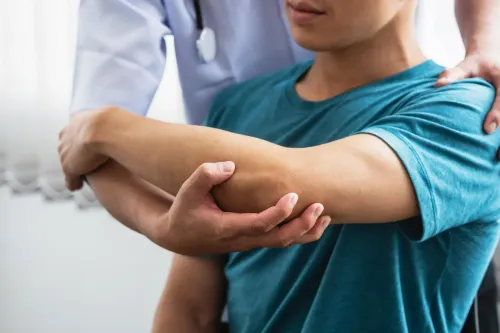
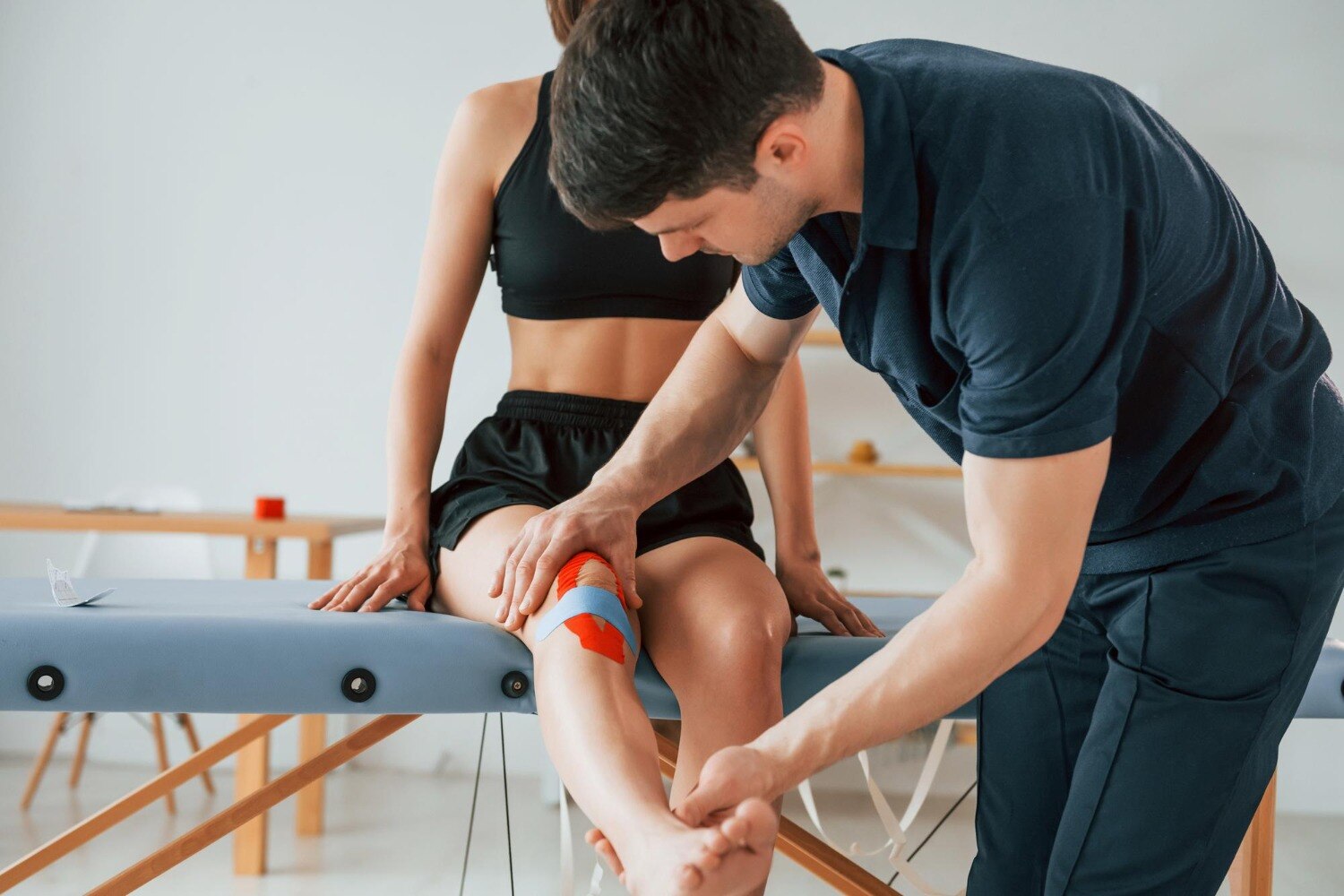
Knee pain after a match, run or fall does not identify the damaged tissue by itself. By the end, you will know what a specialist evaluates, which tests and treatments fit different injuries, when surgery enters the discussion, and what safe return to sport requires.
Key takeaways
- Describe the injury mechanism, swelling, locking, instability, and weight-bearing difficulty.
- Seek urgent care for a deformity, locked knee, severe swelling, or inability to bear weight.
- Rehabilitation can restore strength and movement; surgery depends on structural damage and treatment goals.
- Return to sport requires pain-free movement, strength testing, sport-specific drills, and gradual loading.
What does a knee specialist examine after a sports injury?
A knee specialist in Chikkalasandra starts by reconstructing what happened, not by labelling “knee pain.” A twist, direct blow, sudden landing, or gradual increase in training points toward different tissues and helps separate an acute injury from an overuse disorder or a non-sport condition.
Swelling that appears immediately carries different significance from swelling that develops hours later.
- Pain location: joint line, kneecap, tendon, or inner or outer knee
- Instability, giving way, or a feeling that the knee will buckle
- Locking, catching, or inability to fully straighten the knee
- Range of motion compared with the opposite side
- Walking pattern, including a limp or altered gait
- Ability to stand, walk, and bear weight
- Previous injuries, operations, or episodes of swelling
- Sport-specific demands, such as cutting, jumping, sprinting, kneeling, or pivoting
The examination checks swelling, tenderness, muscle control, ligament stability, joint movement, gait, and weight-bearing ability. The uninjured knee provides a practical baseline for your normal motion, looseness, strength, and kneecap tracking. That comparison matters because one person’s “limited” movement may be another person’s normal.
Pain alone cannot identify the problem: ligament, meniscus, tendon, bone, cartilage, and patellofemoral conditions can all hurt in similar ways. The findings guide whether you need observation, rehabilitation, or imaging.
Which knee injuries need imaging or urgent medical attention?
Urgent assessment is needed for a visibly deformed knee, a cold or numb foot, inability to bear weight after major trauma, a locked knee, or a fever with a hot, swollen joint. These signs can indicate fracture, dislocation with nerve or blood-vessel injury, or infection.
A sports injury doctor in Bangalore begins with the injury mechanism, swelling pattern, stability, range of motion and weight-bearing ability.
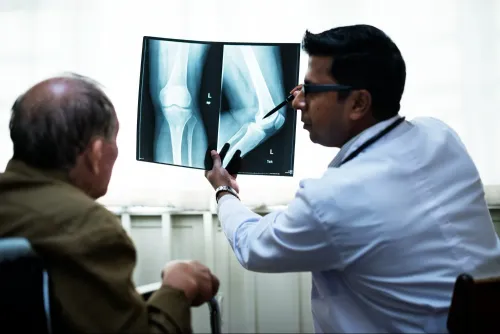
The Ottawa Knee Rule helps decide whether an X-ray is warranted after acute trauma: tenderness at the fibular head or patella, age 55 or older, inability to bend the knee to 90 degrees, or inability to take four steps immediately and during assessment. MRI is not automatic.
It helps when internal damage is suspected, symptoms persist, or the result will change knee injury treatment; ultrasound is useful for selected tendon, fluid or superficial soft-tissue problems.
| Injury | Typical clue | Useful assessment |
|---|---|---|
| ACL injury | Giving-way after a twist | Stability tests; MRI if internal derangement is suspected |
| Meniscus injury | Joint-line pain, catching or locking | Clinical examination; MRI for persistent or treatment-changing symptoms |
| MCL or LCL sprain | Pain on the inner or outer side | Examination; imaging if severe or associated injury is suspected |
| Patellar dislocation | Altered kneecap tracking | X-ray after reduction; MRI for associated damage |
| Tendon or cartilage injury | Weak forceful extension or catching | Ultrasound or MRI when examination cannot define the damage |
| Fracture | Significant trauma and inability to bear weight | Prompt X-ray assessment |
Seek urgent care for an open wound or rapidly increasing swelling. A locked knee also needs prompt review rather than repeated self-treatment.
When is rehabilitation enough, and when is surgery considered?
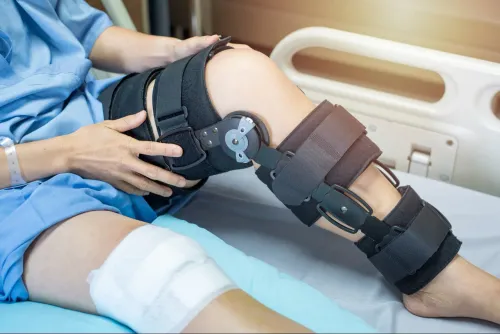
Early knee injury treatment starts with relative activity modification, not complete bed rest. Use ice, compression, elevation, prescribed pain relief, bracing when indicated, progressive range-of-motion exercises and physiotherapy. Prolonged immobilisation causes stiffness and muscle loss; waiting until pain disappears completely can delay useful rehabilitation.
Surgery is considered when there is:
- Persistent instability despite structured rehabilitation
- A displaced meniscus tear causing locking
- A complete ligament rupture in a high-demand athlete
- An associated fracture that needs stabilisation
ACL reconstruction is not automatic. The decision depends on recurrent giving-way, sport or work demands, associated injuries, restored motion and quadriceps control, and your informed preference after discussing prehabilitation and alternatives.
Meniscal repair is preferred when the tear has enough blood supply and the pattern can heal; removing part of the meniscus is reserved for tears that cannot be repaired and can increase later joint-loading. Arthroscopy is not a universal answer for degenerative knee pain, where exercise-based treatment often offers the better starting point.
Before taking an NSAID, ask a clinician or pharmacist to check kidney disease, ulcers or previous gastrointestinal bleeding, cardiovascular disease, anticoagulants, pregnancy and asthma reactions. A knee specialist providing sports injury treatment chikkalasandra patients seek should explain these precautions, while knee injury treatment should be reassessed for worsening pain, swelling, locking or stalled progress.
What does recovery and return to sport involve?
Recovery is a staged progression, not a date on a calendar. The schedule depends on the tissue injured, treatment used, biological healing and rehabilitation progress.
- Protect weight-bearing with crutches when required.
- Use a prescribed brace while the knee needs stability.
- Restore full extension, then progressively regain flexion.
- Reduce swelling before increasing load.
- Rebuild quadriceps and hip strength.
- Train balance and proprioception.
- Add sport-specific drills and return-to-play testing.
In sports injury treatment Chikkalasandra, planning differs by diagnosis:
| Injury | Recovery focus | Main progression concern |
|---|---|---|
| Sprain | Gradual loading, motion and stability work | Recurrent looseness or swelling |
| Meniscus injury | Restore motion and strength; protect a repair | Locking or pain with twisting |
| ACL reconstruction | Criteria-based strength, control and pivoting drills | Returning before strength and confidence recover |
| Fracture | Protected loading until healing is confirmed | Advancing activity before bone stability |
Do not use pain alone as clearance. Readiness includes near-full motion, minimal effusion, restored strength, acceptable hop or sport-specific performance, confidence in the knee and symptom-free progressive practice. A high-demand pivoting athlete needs movement-control testing, not simply a successful walk or jog.
Persistent swelling, giving-way, loss of extension, locking, worsening symptoms or stalled progress requires reassessment. A knee specialist in Chikkalasandra should adjust the programme when testing exposes weakness or poor control rather than repeatedly advancing exercises.
What should you expect from a knee specialist in Chikkalasandra?
A useful consultation ends with a working diagnosis, not just “knee pain.” A knee specialist in Chikkalasandra should explain why each X-ray, ultrasound or MRI is needed, compare non-surgical care with injections or surgery, check medication precautions such as NSAID risks with ulcers, kidney disease, blood thinners or pregnancy, and set rehabilitation milestones, follow-up timing and reasons to return sooner.
| Care setting | What you should receive | When it fits |
|---|---|---|
| Routine clinic | Examination, test rationale, treatment alternatives, rehabilitation plan and review date | Persistent swelling, giving-way, lost extension or stalled progress |
| Second opinion | Confirmation of the structural problem, surgical indication and non-operative options | Surgery is proposed without a clear tear, fracture, instability or rehabilitation plan |
| Emergency assessment | Immediate evaluation rather than routine scheduling | Visible deformity, inability to bear weight after major trauma, cold or numb foot, locked knee, open wound, or fever with a hot, rapidly swollen joint |
When comparing sports injury treatment Chikkalasandra options, ask how return-to-play readiness will be measured. Pain relief alone is insufficient; expect checks for near-full motion, minimal effusion, restored strength, hop or sport-specific performance, confidence and symptom-free progressive practice.
Leela Health Care Orthopaedic Clinic Banashankari can be considered for assessment, orthopaedic sports injury care and rehabilitation planning, while red-flag symptoms require emergency care.
Related services
ORTHOPEDIC Sports Injury Treatment in Banashankari, Bangalore Dr Prajwal KN, Orthopaedic Sports Injury Specialist If you're in need of sports injury treatment... View service → |
ORTHOPEDIC Ligament Reconstruction in Banashankari, Bangalore Dr Prajwal KN, Orthopaedic Sports Injury Specialist If you need ligament reconstruction in... View service → |
Frequently asked questions
What does a knee specialist examine after a sports injury?
A knee specialist reviews how the injury happened, then checks swelling, range of motion, tenderness, ligament stability, meniscus signs, alignment, strength, gait, and circulation.
Which knee injuries need imaging or urgent medical attention?
Imaging is considered for suspected fractures, ligament or meniscus injuries, persistent pain, or unclear diagnoses. Seek urgent attention for deformity, a locked knee, severe swelling, numbness, or inability to bear weight.
When is rehabilitation enough, and when is surgery considered?
Rehabilitation may be enough for many sprains, strains, and stable injuries. Surgery is considered when there is major structural damage, repeated instability, a displaced injury, persistent symptoms, or failure of appropriate rehabilitation.
What does recovery and return to sport involve?
Recovery involves controlling pain and swelling, restoring movement, rebuilding strength and balance, completing sport-specific drills, and increasing training gradually after functional testing.
Keywords