Once conservative treatment no longer provides adequate relief from advanced knee or hip arthritis, patients may begin researching joint replacement in Bengaluru. At this stage, choosing where to seek treatment involves more than comparing hospital names or searching for the shortest promised recovery time.
Joint replacement includes diagnosis, surgical planning, medical preparation, rehabilitation, and follow-up. Patients should therefore evaluate the complete treatment pathway.
Start by Confirming Whether Replacement Is Actually Necessary
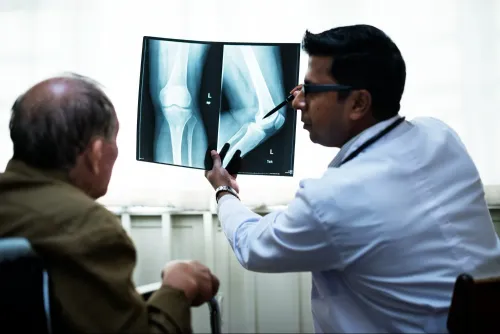
A trustworthy orthopaedic consultation should first answer a basic question: is joint replacement appropriate at this stage?
Assessment should consider symptoms, physical examination, imaging, functional limitations, previous treatment, and general health.
Surgery should not be selected solely because an X-ray contains words such as 'degenerative changes.'
Ask What Non-Surgical Options Remain
Patients with less advanced arthritis may still have reasonable conservative options.
These can include:
- Physiotherapy
- Strengthening
- Weight management where appropriate
- Activity modification
- Medication
- Walking support
- Selected injection treatments
If these approaches have already been tried adequately without sufficient benefit, the discussion may move toward replacement.
Understand the Proposed Procedure
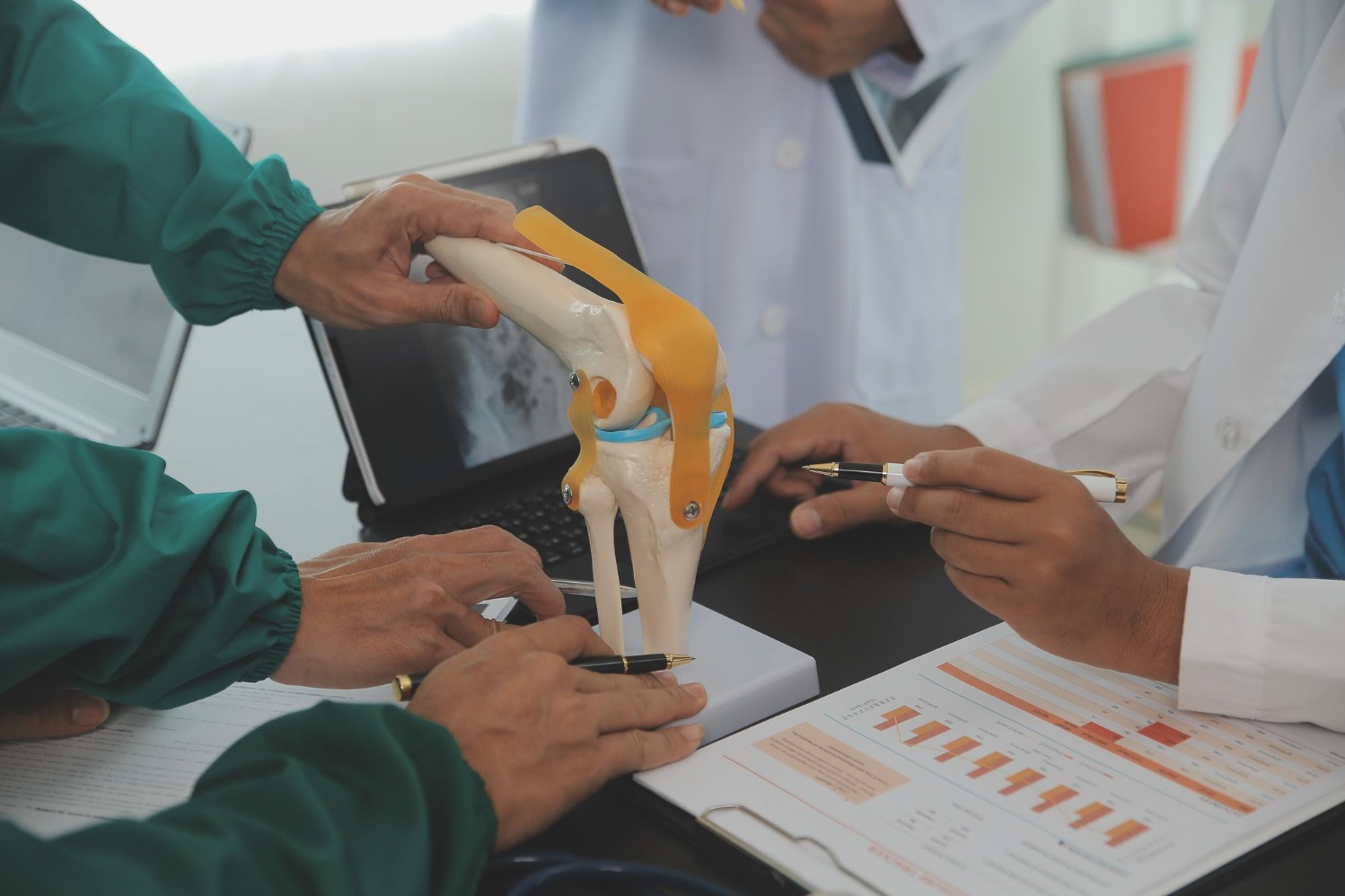
Patients should know whether total or partial replacement is being discussed and why that procedure is appropriate.
Useful questions include:
- Which parts of my joint are damaged?
- What does my imaging show?
- What improvement can reasonably be expected?
- What are the important risks?
- How soon is walking usually started?
- What rehabilitation will I need?
- Which activities may remain restricted?
Clear explanations are an important part of informed consent.
Look Beyond Claims About Technology
Modern instruments, implants, surgical approaches, and planning systems can contribute to orthopaedic care, but technology should support clinical judgment rather than replace it.
Patients should be cautious about claims implying that a particular technology guarantees painless surgery, perfect movement, or an identical recovery timeline for everyone.
Recovery varies according to age, health, pre-operative strength, surgical factors, and rehabilitation.
Consider Rehabilitation and Follow-Up
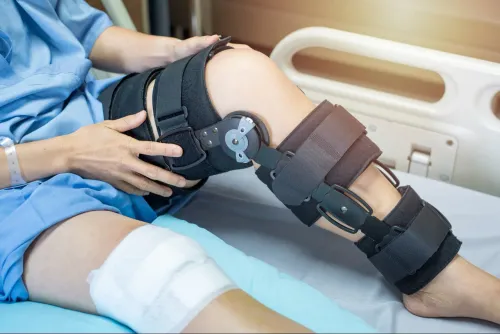
Joint replacement does not end when the patient leaves the operating room.
Physiotherapy and progressive activity help restore movement and strength. Patients also need clear guidance about wound care, medication, walking aids, warning symptoms, and follow-up appointments.
For Bengaluru residents, practical accessibility for follow-up can be worth considering because recovery may involve several stages rather than a single consultation.
Assess Communication Quality
Patients should feel able to ask questions.
An orthopaedic provider should be willing to explain the diagnosis, alternatives, procedure, potential complications, and recovery expectations in understandable language.
Leela Health Care Orthopaedic Clinic offers orthopaedic evaluation in Bengaluru for patients dealing with arthritis and other joint conditions, including those exploring whether replacement should be considered.
Know When You Are Ready to Make a Decision
Joint replacement becomes a more reasonable discussion when pain and functional limitations are substantial, structural arthritis is significant, and appropriate conservative measures have not provided adequate relief.
The decision remains individual.
Rather than looking only for the 'best joint replacement' claim, Bengaluru patients can make a better-informed choice by evaluating diagnosis, surgical reasoning, rehabilitation planning, follow-up, and communication. These factors provide a more meaningful picture of orthopaedic care than advertising claims or a single online rating.
Keywords