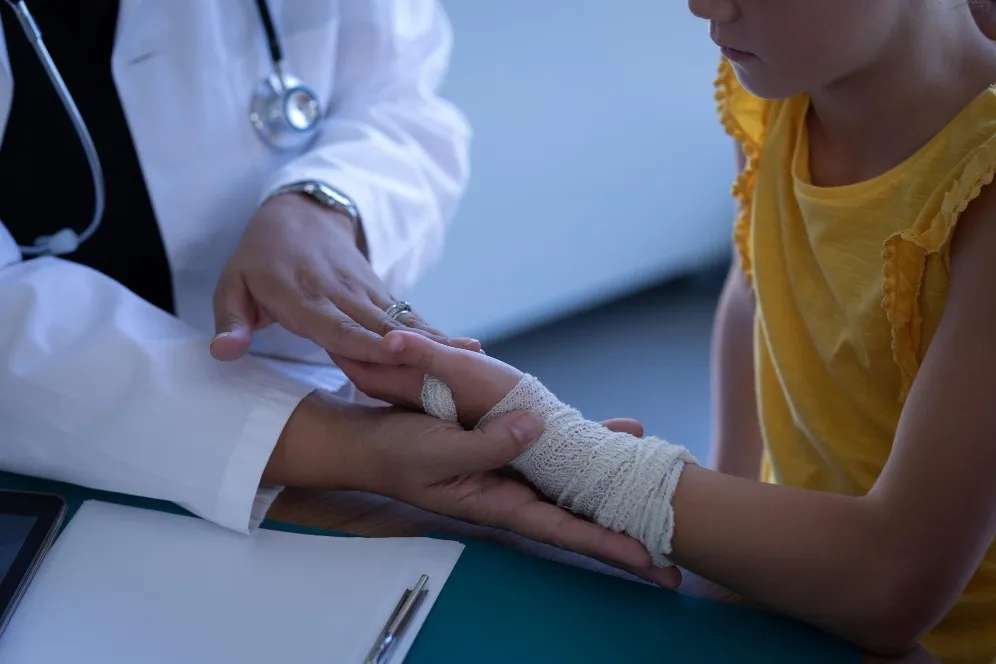
Children are naturally active and curious, which means falls, sports injuries, and playground accidents are a common part of growing up. While many injuries are minor, some can result in fractures that require specialised medical attention. Unlike adult bones, children's bones are still developing, making paediatric fracture treatment different in both diagnosis and management.
At Leela Health Care Orthopaedic Clinic, children with fractures receive age-appropriate evaluation and treatment that focuses on proper bone healing while protecting future growth and joint function.
Why Children's Bones Heal Differently
Children's bones are softer, more flexible, and have growth plates near the ends of long bones. These growth plates are responsible for normal bone development until adulthood.
Because of this, children often experience fracture patterns that are rarely seen in adults, including:
- Greenstick fractures
- Buckle (torus) fractures
- Growth plate fractures
- Plastic bowing injuries
- Complete fractures following major trauma
The presence of growth plates makes accurate diagnosis especially important, as untreated injuries can affect future bone growth.
Common Causes of Paediatric Fractures
Children can sustain fractures during routine activities or unexpected accidents.
Some common causes include:
- Falls while playing
- Cycling accidents
- Playground injuries
- Sports activities
- Road traffic accidents
- Falls from furniture or stairs
Most fractures occur in the wrist, forearm, elbow, collarbone, and lower leg.
Symptoms Parents Should Watch For
Not every injury results in obvious swelling or deformity. Sometimes children may simply avoid using the injured limb.
Warning signs include:
- Persistent pain
- Swelling
- Bruising
- Difficulty moving the arm or leg
- Refusal to bear weight
- Visible deformity
- Crying when the injured area is touched
Young children may not always describe their pain clearly, making careful observation essential.
Diagnosing Paediatric Fractures
An orthopaedic evaluation helps determine the type and severity of the injury.
Diagnosis usually involves:
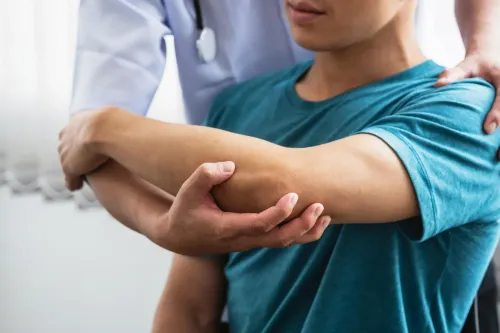
- Detailed physical examination
- Review of how the injury occurred
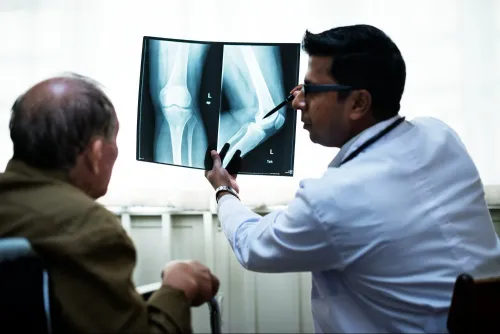
- Digital X-rays
- Additional imaging if growth plate injury is suspected
Because children's bones are still developing, follow-up assessments may also be recommended to ensure proper healing.
Treatment Options for Children's Fractures
The treatment plan depends on the child's age, fracture type, and the affected bone.
Cast or Splint
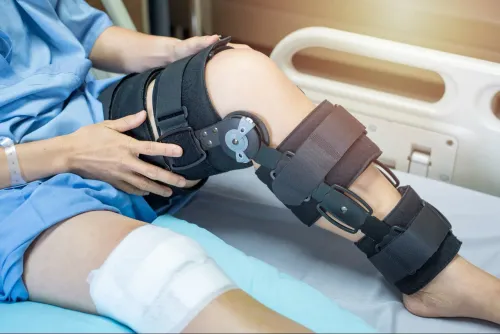
Most uncomplicated fractures heal well with immobilisation.
Closed Reduction
If the bone is displaced, the surgeon may gently realign it without making an incision before applying a cast.
Surgical Treatment
Certain injuries require surgery, especially when:
- Growth plates are involved
- The fracture is unstable
- Bones cannot be aligned properly with a cast
- Multiple fractures are present
- Open fractures occur
Modern surgical techniques minimise disruption while protecting future bone growth.
How Long Does Healing Take?
Children generally heal faster than adults because their bones have excellent regenerative capacity.
Healing time varies depending on:
- Age
- Type of fracture
- Bone involved
- Overall health
- Compliance with treatment
Many simple fractures heal within a few weeks, while more complex injuries may require a longer recovery and rehabilitation period.
Helping Your Child Recover
Parents play an important role in ensuring successful healing.
Helpful recovery tips include:
- Keep the cast clean and dry.
- Encourage rest during the healing phase.
- Attend all follow-up appointments.
- Avoid removing the cast without medical advice.
- Gradually return to sports only after clearance from the orthopaedic specialist.
- Ensure a balanced diet rich in calcium and protein.
Following these recommendations supports proper bone healing and reduces the risk of reinjury.
Preventing Fractures in Children
While accidents cannot be eliminated completely, parents can reduce the risk by encouraging safe habits.
Preventive measures include:
- Wearing helmets while cycling.
- Using protective sports equipment.
- Supervising playground activities.
- Installing safety gates for younger children.
- Providing adequate nutrition for healthy bone development.
- Teaching children safe play practices.
Building strong bones during childhood also contributes to lifelong bone health.
Paediatric Orthopaedic Care Near Girinagar
Families living in Girinagar and nearby areas such as Banashankari 3rd Stage, Basavanagudi, Padmanabhanagar, and Jayanagar often seek prompt orthopaedic care when a child experiences a fall or sports-related injury. Early assessment helps identify fractures accurately, particularly those involving growth plates, ensuring treatment supports healthy bone development.
Children's fractures should never be considered 'small' injuries simply because young bones heal quickly. Proper diagnosis, timely treatment, and regular follow-up are essential to protect normal growth and joint function. With specialised paediatric fracture care and appropriate rehabilitation, most children recover fully and safely return to school, sports, and everyday activities with confidence.
Keywords