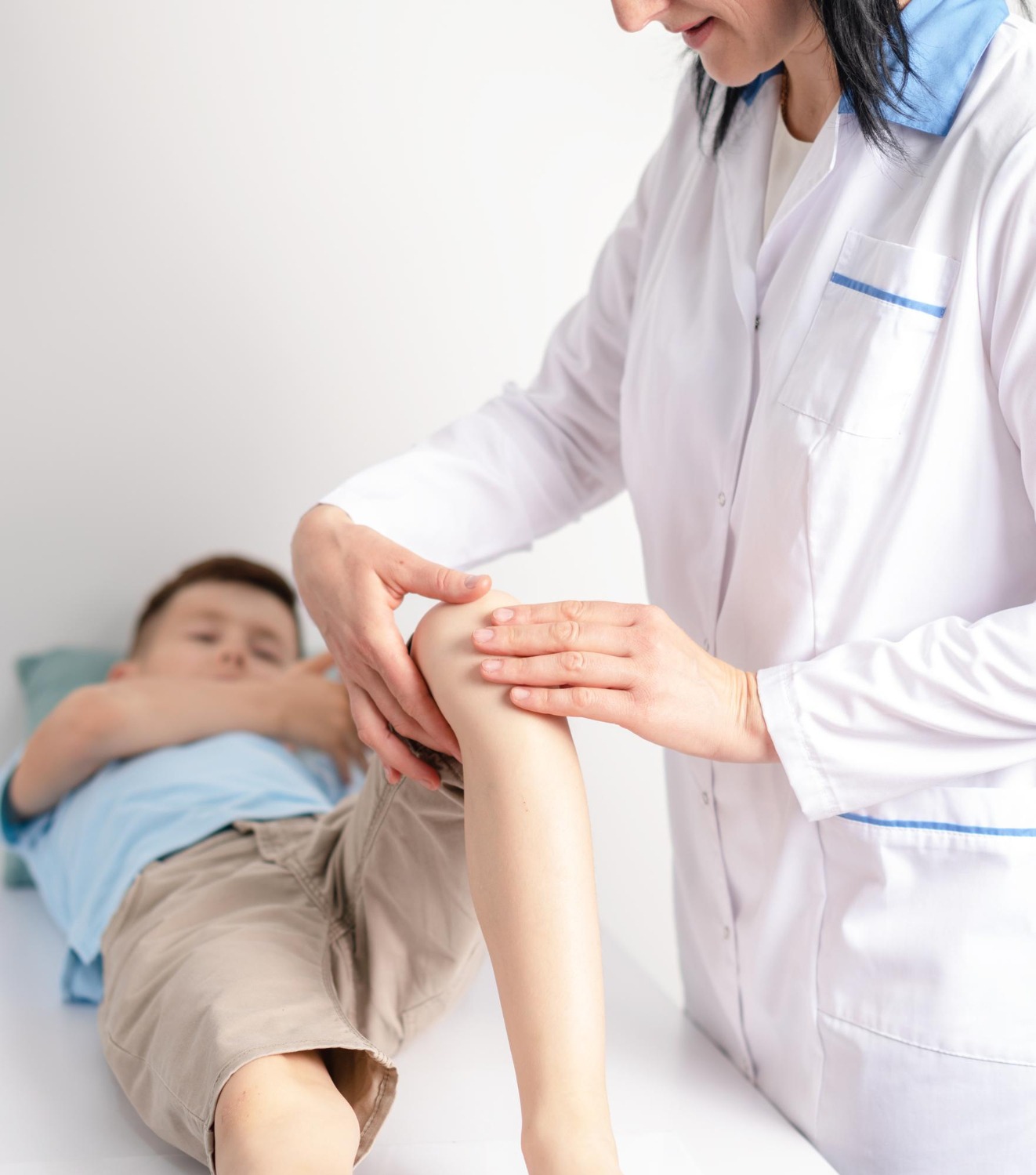
Children's bones are not simply smaller versions of adult bones. They are still growing, have growth plates, and can respond differently to injury and deformity. For this reason, paediatric bone treatment requires careful consideration of the child's age, skeletal development, injury pattern, and future growth.
Parents often become concerned when a child walks differently, develops limb pain, sustains a fracture, or appears to have unusual leg alignment. Some variations are part of normal development, while others deserve assessment.
Why Are Children's Bones Different?
Growing bones contain growth plates near their ends. These areas contribute to bone length and development until skeletal maturity.
An injury involving a growth plate therefore requires appropriate evaluation because the consequences can differ from those of an ordinary adult fracture.
Children's bones can also remodel during growth, meaning some fracture alignment can improve naturally over time. The degree of acceptable alignment, however, depends on the child's age, fracture location, and other factors.
Common Reasons Parents Seek Orthopaedic Advice
Paediatric orthopaedic assessment may be considered for:
- Suspected fractures
- Persistent limb pain
- Limping
- Growth-plate injuries
- Bow legs or knock knees causing concern
- Differences in limb length
- Persistent foot or gait abnormalities
- Joint swelling
- Sports-related injuries
- Recurrent musculoskeletal complaints
A single symptom does not establish a diagnosis.
Does Every Childhood Fracture Need Surgery?
No. Many paediatric fractures can heal successfully with appropriate immobilisation and follow-up.
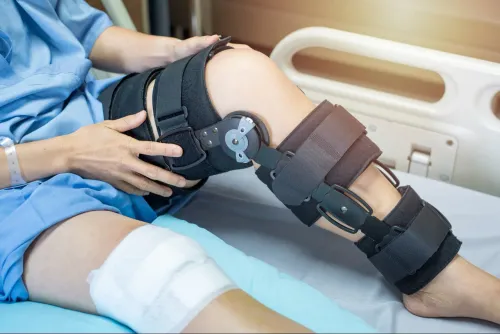
Surgery may be considered when the fracture is unstable, significantly displaced, involves certain growth-plate patterns, affects a joint, or cannot be maintained in an acceptable position by conservative methods.
The treatment objective is to support healing while protecting future growth and function.
What About Bow Legs and Knock Knees?
Parents frequently notice changes in leg alignment as children grow.
Some alignment variations can occur as part of normal development and improve naturally. However, asymmetry, progression, significant pain, functional problems, or alignment that appears outside expected developmental patterns may justify assessment.
An orthopaedic evaluation can help distinguish normal developmental variation from a condition requiring monitoring or treatment.
Persistent Pain Should Not Simply Be Called Growing Pain
Children can experience benign limb discomfort, but persistent or localised pain deserves attention—particularly when accompanied by swelling, fever, limping, reduced activity, night symptoms, or a history of injury.
Parents should avoid assuming that every recurring pain is caused by growth.
Sports Injuries in Children Need Age-Appropriate Care
Young athletes in Bengaluru increasingly participate in football, cricket, badminton, gymnastics, skating, and other organised activities.
Sports injuries in a growing child may involve bones, growth plates, ligaments, tendons, or joints. Returning to sport before adequate healing can prolong problems.
Leela Health Care Orthopaedic Clinic provides evaluation for orthopaedic concerns across age groups, including children's bone and musculoskeletal problems that require clinical assessment.
What Parents Can Bring to an Appointment
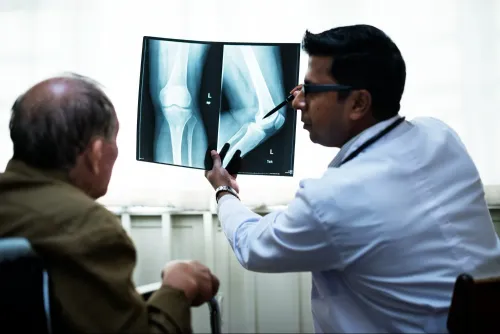
Useful information includes when symptoms began, whether an injury occurred, changes in walking, previous treatment, relevant medical history, and any available X-rays or reports.
Videos of an intermittent gait abnormality can also sometimes provide useful context when the problem is not obvious during the appointment.
For families in Bengaluru and surrounding Karnataka communities, paediatric orthopaedic care should balance immediate treatment with long-term development. The central question is not simply whether a child's bone looks different today, but whether the condition could affect healthy growth, movement, or future function.
Keywords