
Living with chronic knee pain can make even the simplest activities feel exhausting. Climbing stairs, walking short distances, standing for long periods, or getting up from a chair may become increasingly difficult as the knee joint wears down. While medications, physiotherapy, and lifestyle modifications can provide relief in the early stages, severe joint damage may eventually require surgical treatment.
At Leela Health Care Orthopaedic Clinic, knee replacement surgery is recommended only after a detailed evaluation confirms that conservative treatments are no longer effective. The aim is to reduce pain, improve mobility, and help patients return to an active and independent lifestyle.
What Is Knee Replacement Surgery?
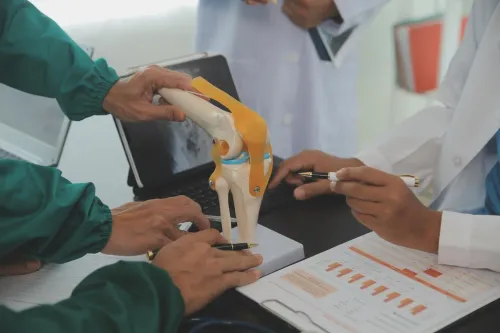
Knee replacement, also known as knee arthroplasty, is a procedure where damaged cartilage and bone are replaced with artificial implants. These implants are designed to restore smooth joint movement while reducing pain caused by arthritis or severe injury.
There are different types of knee replacement procedures, including:
- Total knee replacement
- Partial knee replacement
- Revision knee replacement
- Bilateral knee replacement in selected patients
The appropriate procedure depends on the extent of joint damage and the patient's overall health.
Who Is a Candidate for Knee Replacement?
Many people assume that knee replacement is only for older adults, but age alone is not the deciding factor.
A patient may benefit from surgery if they experience:
- Severe knee pain during everyday activities
- Stiffness that limits movement
- Difficulty walking even short distances
- Persistent swelling
- Deformity of the knee joint
- Poor response to physiotherapy or medication
- Pain that affects sleep and daily routines
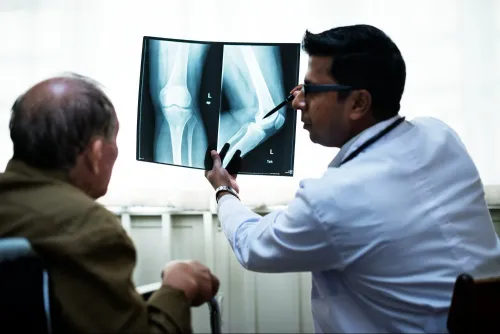
The decision is based on the severity of symptoms, X-ray findings, and the impact on quality of life.
Common Conditions Leading to Knee Replacement
Several conditions can gradually damage the knee joint.
These include:
Osteoarthritis
The most common reason for knee replacement, where cartilage gradually wears away and causes bones to rub together.
Rheumatoid Arthritis
Chronic inflammation damages the joint lining, leading to pain and stiffness.
Post-Traumatic Arthritis
Previous fractures or ligament injuries can increase the risk of arthritis years after the initial injury.
Knee Deformities
Some patients develop bow-legged or knock-knee deformities due to advanced joint degeneration.
Benefits of Knee Replacement Surgery
Modern knee replacement procedures have significantly improved patient outcomes.
The advantages often include:
Long-Term Pain Relief
Most patients notice a dramatic reduction in chronic knee pain after recovery.
Better Mobility
Walking, climbing stairs, and performing daily activities become easier and more comfortable.
Improved Joint Function
Replacing the damaged surfaces helps restore smoother knee movement.
Greater Independence
Patients often become less dependent on walking aids and assistance from family members.
Enhanced Quality of Life
Many individuals are able to return to social activities, travel, and light recreational exercise after rehabilitation.
What Happens Before Surgery?
Preparation plays an important role in achieving successful outcomes.
The evaluation generally includes:
- Detailed medical history
- Physical examination
- Digital X-rays
- Blood investigations
- Assessment of existing medical conditions
- Discussion about recovery expectations
Patients are also advised on exercises and lifestyle adjustments before surgery to support better recovery.
Recovery After Knee Replacement
Recovery begins soon after surgery and continues over several months.
A structured rehabilitation programme usually includes:
- Early assisted walking.
- Knee mobility exercises.
- Muscle-strengthening physiotherapy.
- Balance and gait training.
- Gradual return to everyday activities.
Consistent physiotherapy is one of the most important factors in achieving good long-term results.
Can Knee Replacement Be Avoided?
In many cases, yes—especially when arthritis is diagnosed early.
Treatment options before surgery may include:
- Physiotherapy
- Weight reduction
- Pain-relieving medication
- Activity modification
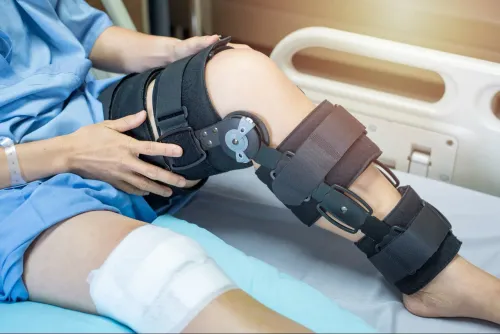
- Knee braces
- PRP or gel injections in suitable patients
These treatments may reduce symptoms and delay surgery, although they cannot reverse advanced cartilage damage.
Expert Knee Care Near Kanakapura Road
Residents of Kanakapura Road and surrounding areas such as JP Nagar, Banashankari 3rd Stage, Uttarahalli, and Padmanabhanagar often seek orthopaedic care for chronic knee arthritis and mobility issues. Early consultation helps identify the stage of joint damage and allows patients to explore both non-surgical and surgical treatment options based on their individual needs.
Knee replacement is not simply about replacing a joint—it is about restoring movement, reducing pain, and improving everyday life. With timely diagnosis, careful surgical planning, modern implants, and dedicated rehabilitation, patients can regain confidence in their mobility and return to activities they once found difficult or impossible.
Keywords