Orthopaedic surgery has advanced significantly over the years, making many procedures less invasive and more patient-friendly. One of the biggest developments is keyhole surgery, also known as minimally invasive surgery or arthroscopic surgery for many joint conditions. Instead of large incisions, surgeons use specialised instruments and a tiny camera to diagnose and treat problems with greater precision.
At Leela Health Care Orthopaedic Clinic, keyhole surgery is considered for suitable patients after a detailed evaluation. This approach is designed to treat joint conditions effectively while promoting quicker recovery and reducing post-operative discomfort.
What Is Keyhole Surgery?
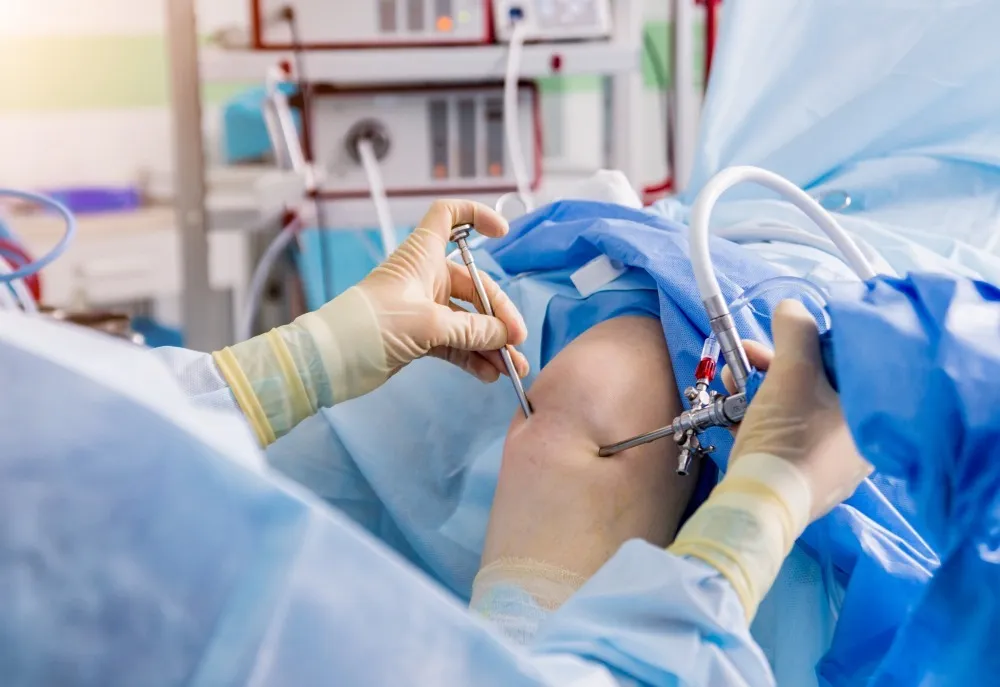
Keyhole surgery involves making small incisions through which a miniature camera and surgical instruments are inserted. The camera provides a magnified view of the joint, allowing the surgeon to perform the procedure accurately without opening the entire joint.
This technique is commonly used for:
- Knee injuries
- Shoulder problems
- Ligament tears
- Meniscus injuries
- Cartilage damage
- Certain ankle and hip conditions
Not every orthopaedic problem can be treated using keyhole surgery, but it has become the preferred option for many joint disorders.
Conditions That Can Be Treated with Keyhole Surgery
Depending on the diagnosis, keyhole surgery may be recommended for several orthopaedic conditions.
Some of the most common include:
Torn Ligaments
ACL and PCL injuries often require minimally invasive reconstruction to restore knee stability.
Meniscus Tears
Damaged knee cartilage can frequently be repaired or trimmed using arthroscopic techniques.
Shoulder Injuries
Rotator cuff tears, recurrent shoulder dislocations, and labral injuries are commonly treated through keyhole procedures.
Loose Cartilage or Bone Fragments
Small loose pieces inside the joint that cause pain or locking can be safely removed.
Sports Injuries
Athletes often benefit from minimally invasive surgery because it allows earlier rehabilitation and return to activity.
Advantages of Keyhole Surgery
Modern minimally invasive techniques offer several benefits over traditional open procedures.
Smaller Incisions
Tiny surgical cuts usually result in less scarring and improved cosmetic outcomes.
Reduced Pain
Because surrounding muscles and tissues are disturbed less, patients generally experience less post-operative discomfort.
Faster Recovery
Many patients regain mobility sooner compared to open surgery, depending on the condition being treated.
Lower Risk of Infection
Smaller wounds generally reduce the risk of wound-related complications.
Shorter Hospital Stay
Many keyhole procedures are performed as day-care surgeries, allowing patients to return home on the same day.
What Happens During the Procedure?
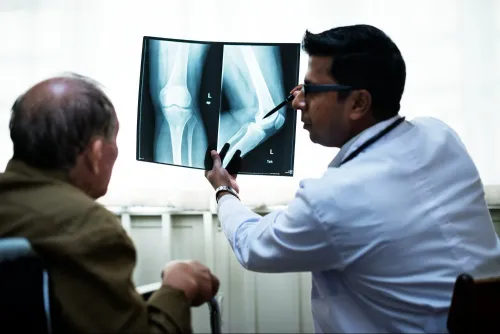
Before surgery, the patient undergoes a detailed medical assessment, including imaging studies.
The procedure usually follows these steps:
- Administration of appropriate anaesthesia.
- Small incisions around the affected joint.
- Insertion of the arthroscope and specialised instruments.
- Repair or removal of damaged tissue.
- Closure of the incisions with minimal suturing.
- Recovery and observation before discharge.
The exact duration depends on the complexity of the condition.
Recovery After Keyhole Surgery
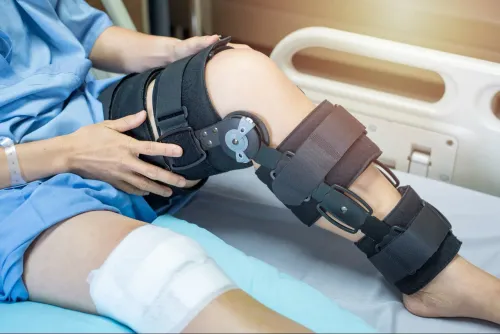
Although recovery is generally quicker than traditional surgery, rehabilitation remains essential.
Patients are encouraged to:
- Follow post-operative instructions carefully.
- Attend physiotherapy sessions.
- Perform prescribed strengthening exercises.
- Avoid strenuous activities until advised.
- Attend regular follow-up appointments.
Recovery varies depending on the joint treated and the extent of the repair.
Is Everyone Eligible for Keyhole Surgery?
Not necessarily.
While many patients benefit from minimally invasive techniques, traditional surgery may still be required in cases involving:
- Advanced arthritis
- Complex fractures
- Severe joint deformities
- Extensive bone loss
- Certain infections
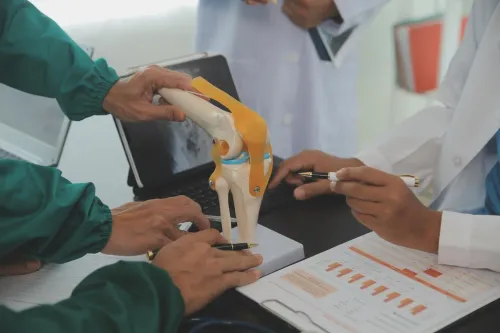
An experienced orthopaedic surgeon will determine the most appropriate treatment based on clinical findings and imaging results.
Preparing for Surgery
Patients can improve their recovery by preparing in advance.
Helpful measures include:
- Discussing existing medical conditions with the surgeon.
- Managing diabetes or blood pressure effectively.
- Stopping smoking if advised.
- Arranging assistance at home during the initial recovery period.
- Understanding the rehabilitation plan before surgery.
Being well prepared often contributes to a smoother recovery experience.
Keyhole Orthopaedic Surgery Near Uttarahalli
People living in Uttarahalli and nearby areas such as Banashankari 3rd Stage, RR Nagar, Padmanabhanagar, and Kanakapura Road frequently seek orthopaedic consultation for sports injuries, ligament tears, and persistent joint pain. Early assessment helps determine whether keyhole surgery is suitable or if conservative treatment can effectively resolve the problem.
Keyhole surgery has transformed the treatment of many orthopaedic conditions by offering precise treatment through minimally invasive techniques. With proper patient selection, experienced surgical care, and a structured rehabilitation programme, this approach can help restore joint function, reduce pain, and support a safe return to everyday activities and an active lifestyle.
Keywords