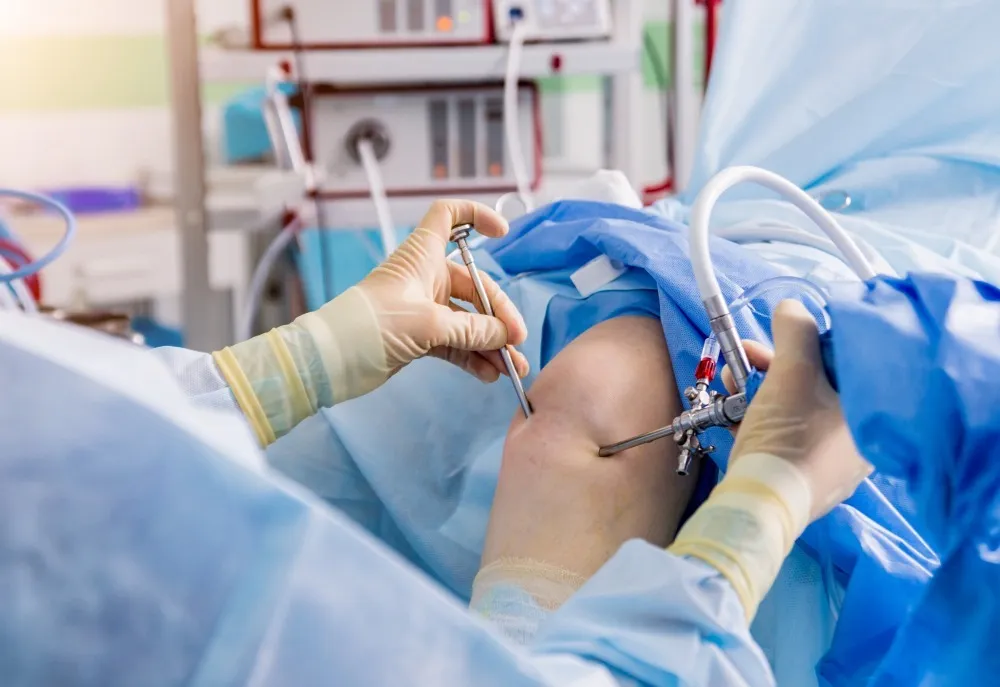
The term keyhole or arthroscopy surgery is often associated with smaller incisions and faster recovery. While arthroscopy is an important technique in modern orthopaedics, it is not automatically the best treatment for every knee or shoulder problem.
Understanding what arthroscopy actually involves helps patients develop realistic expectations before discussing surgery.
What Is Arthroscopy?
Arthroscopy is a minimally invasive technique in which a small camera called an arthroscope is introduced into a joint through a small incision. Images from the camera allow the surgeon to inspect structures within the joint.
Additional small openings can be used for specialised surgical instruments when treatment is required.
Knee and shoulder arthroscopy are commonly discussed, although arthroscopic techniques may be used in other joints depending on the condition.
Which Knee Conditions May Involve Arthroscopy?
Depending on the diagnosis, arthroscopic procedures may be considered for selected:
- Meniscus injuries
- Ligament reconstruction procedures
- Loose bodies inside the joint
- Certain cartilage problems
- Other mechanical joint conditions
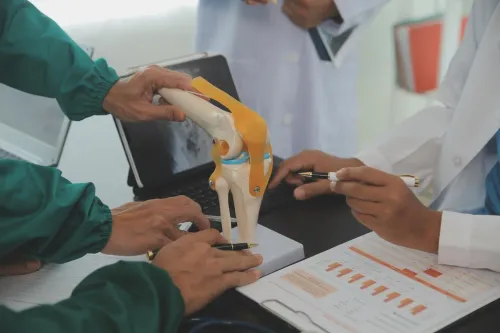
However, arthroscopy is not routinely appropriate simply because someone has knee pain. In particular, degenerative arthritis needs careful assessment because keyhole surgery cannot reverse widespread cartilage loss.
How Is Shoulder Arthroscopy Used?
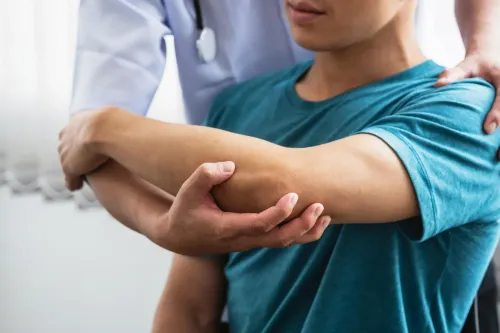
Shoulder pain can arise from several structures, including tendons, cartilage, ligaments, and surrounding soft tissues.
Depending on the specific diagnosis and response to non-surgical treatment, arthroscopic techniques may be considered for selected rotator cuff problems, instability, labral injuries, or other structural conditions.
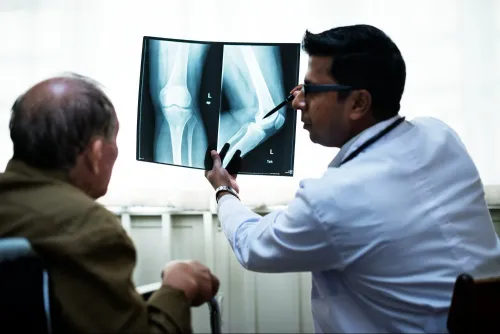
A clinical examination and appropriate imaging help determine whether surgery has a meaningful role.
Smaller Incisions Do Not Mean Minor Treatment
One common misconception is that 'keyhole' automatically means an insignificant operation.
Although the skin incisions may be small, substantial repair or reconstruction can occur inside the joint. Recovery depends more on what has been repaired than on incision length alone.
For example, a straightforward diagnostic procedure and an arthroscopic ligament reconstruction can have very different rehabilitation timelines.
What Happens After Arthroscopic Surgery?
Post-operative management varies according to the procedure.
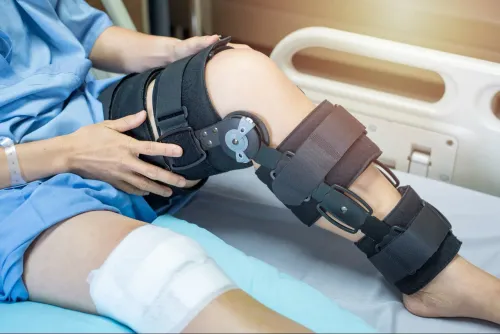
Some patients can begin movement relatively early, while others need temporary protection to allow repaired tissue to heal. Physiotherapy may be important for restoring movement, strength, stability, and function.
Patients should follow procedure-specific instructions rather than comparing their recovery with someone who had a different arthroscopic operation.
Is Arthroscopy Right for Persistent Joint Pain?
That question can only be answered after establishing the diagnosis.
A painful knee may be caused by arthritis rather than a treatable meniscus problem. Shoulder discomfort may respond to rehabilitation without surgery. Conversely, significant instability or a repairable structural injury may make an arthroscopic procedure worth considering.
Patients in Bengaluru can seek orthopaedic evaluation at Leela Health Care Orthopaedic Clinic for knee, shoulder, ligament, and related joint problems before deciding whether arthroscopy is appropriate.
A Diagnosis Should Come Before the Procedure
The most useful way to think about arthroscopy is as a surgical technique rather than a universal treatment.
An orthopaedic surgeon first needs to determine what structure is damaged, how severely it is affected, whether it explains the symptoms, and whether conservative treatment has a reasonable chance of helping.
For patients considering keyhole surgery in Bengaluru, this diagnosis-first approach helps ensure that minimally invasive treatment is chosen because it addresses the underlying problem—not simply because smaller incisions sound attractive.
Keywords