
Joint pain can gradually affect every part of your daily routine. Simple activities such as walking, climbing stairs, getting out of a chair, or even sleeping comfortably may become difficult as the condition worsens. While many people try medications, physiotherapy, or lifestyle changes to manage pain, there comes a stage when these treatments may no longer provide enough relief. At that point, joint replacement surgery becomes an option worth considering.
At Leela Health Care Orthopaedic Clinic, patients receive a detailed evaluation to determine whether surgery is truly necessary or if conservative treatments can still provide effective results. The decision is always based on the individual's condition, symptoms, and long-term mobility goals.
What Is Joint Replacement Surgery?
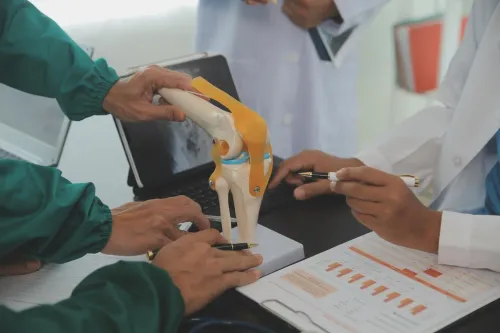
Joint replacement is a surgical procedure in which damaged parts of a joint are replaced with artificial implants. These implants are designed to restore smooth movement, reduce pain, and improve the overall function of the affected joint.
The most commonly replaced joints include:
- Knee
- Hip
- Shoulder
- Elbow (in selected cases)
Modern implants are built to withstand years of regular activity while allowing patients to regain independence and confidence in their daily lives.
Signs That You May Need a Joint Replacement
Not every joint problem requires surgery. However, certain symptoms indicate that it may be time to consult an orthopaedic specialist.
These include:
- Persistent joint pain lasting several months
- Difficulty walking short distances
- Joint stiffness after resting
- Swelling that does not improve
- Reduced range of motion
- Pain that interrupts sleep
- Difficulty climbing stairs
- Dependence on pain medications for daily activities
If these symptoms continue despite non-surgical treatment, a specialist may recommend further evaluation.
Conditions That Can Lead to Joint Replacement
Several medical conditions may gradually damage the joints.
Some of the most common include:
Osteoarthritis
This is the most common reason for joint replacement. As cartilage wears away over time, bones begin rubbing against each other, causing pain and stiffness.
Rheumatoid Arthritis
An autoimmune disease that damages joint lining and leads to inflammation, swelling, and deformity.
Severe Joint Injury
Previous fractures or sports injuries can damage the joint surface and increase the risk of arthritis later in life.
Avascular Necrosis
Reduced blood supply to the bone can cause collapse of the joint, making replacement necessary in advanced stages.
Benefits of Timely Joint Replacement
Many people delay surgery because they assume pain is simply part of ageing. In reality, postponing treatment can reduce mobility and affect overall health.
Patients who undergo surgery at the right stage often experience several benefits.
Significant Pain Relief
One of the biggest advantages is the reduction or complete elimination of chronic joint pain.
Improved Mobility
Walking, sitting, climbing stairs, and performing household activities become much easier after recovery.
Better Quality of Life
Patients often return to hobbies, travel, and social activities that they had previously avoided because of pain.
Reduced Dependence on Medication
Successful surgery often decreases the need for long-term painkillers.
What Happens Before Surgery?
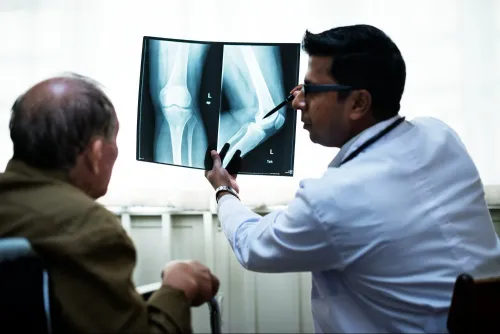
Before recommending joint replacement, the orthopaedic surgeon performs a comprehensive assessment.
This usually includes:
- Medical history review
- Physical examination
- Digital X-rays
- MRI scan when required
- Blood investigations
- Overall fitness evaluation
Patients also receive guidance about preparing for surgery, managing existing medical conditions, and planning rehabilitation.
Recovery After Joint Replacement
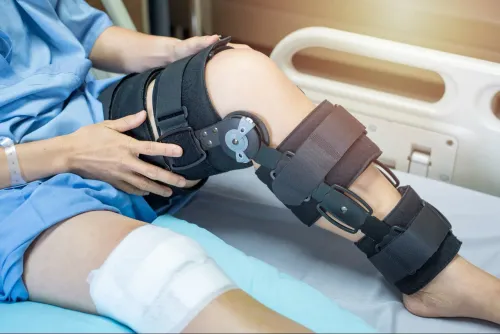
Recovery is a gradual process that involves surgery, physiotherapy, and patient participation.
Most recovery plans include:
- Early walking with support
- Guided physiotherapy exercises
- Pain management
- Strength-building exercises
- Regular follow-up visits
Most patients notice steady improvement over the first few weeks, while complete recovery continues over several months.
Can Younger Patients Undergo Joint Replacement?
Yes. Although joint replacement is commonly associated with older adults, younger patients with severe arthritis, traumatic injuries, or certain bone disorders may also benefit from the procedure.
The decision depends on:
- Severity of joint damage
- Level of pain
- Functional limitations
- Lifestyle requirements
- Overall health
A personalised assessment helps determine the most appropriate treatment plan.
Choosing the Right Orthopaedic Care in Banashankari 3rd Stage
If you live in Banashankari 3rd Stage or nearby areas such as Padmanabhanagar, Girinagar, JP Nagar, or Jayanagar, consulting an experienced orthopaedic specialist early can help prevent further joint damage. Early diagnosis allows many patients to explore non-surgical treatments first, while ensuring surgery is performed at the right time if it becomes necessary.
Joint replacement is no longer considered a last resort for every patient. Advances in surgical techniques, implant technology, and rehabilitation have made it a safe and effective solution for restoring mobility and reducing long-term pain. Understanding the signs and seeking timely medical advice can help you make an informed decision and return to a more active, comfortable lifestyle.
Keywords