
Hip pain can gradually affect your independence, making everyday activities such as walking, climbing stairs, sitting for long periods, or getting out of bed increasingly difficult. While medications, physiotherapy, and lifestyle changes often help in the early stages, severe joint damage may eventually require surgical intervention. Hip replacement surgery has become one of the most effective treatments for restoring mobility and improving quality of life in people with advanced hip conditions.
At Leela Health Care Orthopaedic Clinic, every patient is evaluated thoroughly before surgery is recommended. The focus is on understanding the root cause of the pain, exploring non-surgical treatments where appropriate, and recommending hip replacement only when it offers the best long-term outcome.
What Is Hip Replacement Surgery?
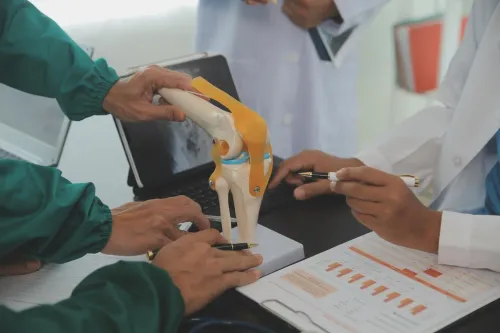
Hip replacement is a surgical procedure in which the damaged parts of the hip joint are replaced with artificial components called prostheses. These implants are designed to replicate the natural movement of the hip while reducing pain caused by damaged cartilage or bone.
Depending on the condition, the surgeon may recommend:
- Total hip replacement
- Partial hip replacement
- Revision hip replacement for previously replaced joints
The choice depends on the patient's age, activity level, bone quality, and the extent of joint damage.
Who May Need a Hip Replacement?
Hip replacement is usually considered when pain significantly affects daily life and conservative treatments no longer provide relief.
Common conditions that may lead to surgery include:
- Osteoarthritis
- Rheumatoid arthritis
- Hip fractures
- Avascular necrosis
- Post-traumatic arthritis
- Congenital hip disorders
These conditions gradually damage the joint, making movement painful and limiting mobility.
Signs That It May Be Time to Consider Surgery
Although every patient is different, certain symptoms may indicate that further evaluation is needed.
These include:
- Persistent hip pain even while resting
- Difficulty walking short distances
- Stiffness in the hip joint
- Pain that radiates to the groin or thigh
- Difficulty climbing stairs
- Trouble wearing shoes or socks
- Reduced range of motion
- Dependence on walking aids because of pain
If these symptoms continue despite medication and physiotherapy, an orthopaedic consultation can help determine the next step.
What Happens Before Hip Replacement?
Before recommending surgery, the orthopaedic surgeon performs a detailed assessment.
This typically includes:
- Medical history review
- Physical examination
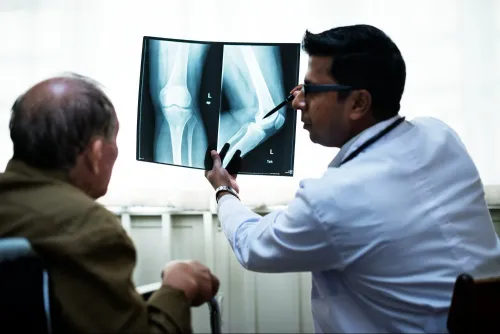
- X-rays of the hip joint
- Blood investigations
- Assessment of other medical conditions
- Discussion of treatment expectations
Patients also receive guidance on preparing for surgery and the rehabilitation process that follows.
Benefits of Hip Replacement Surgery
Modern hip replacement procedures have helped millions of people regain mobility and live more active lives.
Some of the major benefits include:
Long-Term Pain Relief
Most patients experience significant reduction in chronic hip pain after recovery.
Improved Mobility
Walking, climbing stairs, and carrying out routine activities become easier once the damaged joint has been replaced.
Better Quality of Life
Many people return to hobbies, travel, and recreational activities they had previously stopped because of pain.
Improved Sleep
Relief from constant joint pain often allows patients to sleep comfortably again.
Greater Independence
Many patients are able to perform daily tasks without relying heavily on family members or walking aids.
Recovery After Hip Replacement
Recovery is a gradual process that combines healing with rehabilitation.
Patients are generally encouraged to:
- Begin walking with assistance soon after surgery.
- Perform physiotherapy exercises regularly.
- Strengthen surrounding muscles.
- Avoid movements that strain the new joint during the early weeks.
- Attend scheduled follow-up appointments.
Most people notice steady improvement over several months, although recovery timelines vary depending on age, overall health, and activity level.
Can Hip Problems Be Managed Without Surgery?
Yes. Surgery is not always the first option.
Depending on the severity of the condition, treatment may include:
- Physiotherapy
- Weight management
- Pain-relieving medication
- Activity modification
- Walking aids
- Joint injections in selected cases
These treatments can provide meaningful relief for many patients, particularly during the early stages of joint disease.
Hip Replacement Care Near Mysore Road
People living around Mysore Road and nearby neighbourhoods such as RR Nagar, Banashankari 3rd Stage, Padmanabhanagar, and Nayandahalli often seek orthopaedic care for chronic hip pain caused by arthritis or injury. Early evaluation allows patients to understand all available treatment options before joint damage progresses further.
Hip replacement surgery is a well-established procedure that offers lasting relief for individuals whose hip pain has become a barrier to everyday life. The key is not simply deciding on surgery, but knowing when it is appropriate. With accurate diagnosis, personalised treatment planning, modern surgical techniques, and dedicated rehabilitation, patients can regain confidence in their movement and enjoy a more active, comfortable lifestyle.
Keywords