
A fracture can happen in an instant, but the recovery process often takes weeks or even months. Whether it is caused by a fall, a road accident, a sports injury, or a workplace incident, timely treatment plays a vital role in ensuring the bone heals correctly. Delaying medical attention or relying on improper treatment can lead to complications such as poor bone alignment, chronic pain, and reduced mobility.
At Leela Health Care Orthopaedic Clinic, every fracture is carefully assessed to determine its severity, location, and the most appropriate treatment plan. The goal is not only to heal the bone but also to restore normal movement and help patients return to their daily lives safely.
What Is a Fracture?
A fracture is a break or crack in a bone. The injury may range from a small hairline crack to a complete break where the bone separates into multiple pieces.
Fractures are generally classified into different types, including:
- Simple (closed) fracture
- Open (compound) fracture
- Stress fracture
- Comminuted fracture
- Spiral fracture
- Greenstick fracture, commonly seen in children
Each type requires a different treatment approach, making an accurate diagnosis essential.
Common Causes of Bone Fractures
Fractures can affect people of all ages and often result from sudden trauma or weakened bones.
Some of the most common causes include:
- Slipping or falling
- Road traffic accidents
- Sports injuries
- Workplace accidents
- Osteoporosis
- High-impact physical activities
Older adults are particularly vulnerable because bones naturally become less dense with age.
Signs That Require Immediate Medical Attention
Recognising the symptoms of a fracture helps ensure prompt treatment.
Common signs include:
- Severe pain
- Swelling around the injured area
- Bruising
- Difficulty moving the affected limb
- Visible deformity
- Inability to bear weight
- A snapping sound at the time of injury
An open fracture, where the bone pierces the skin, is a medical emergency and requires immediate treatment.
How Fractures Are Diagnosed
A thorough examination helps determine the exact nature of the injury.
Diagnosis usually involves:
- Physical examination
- Medical history
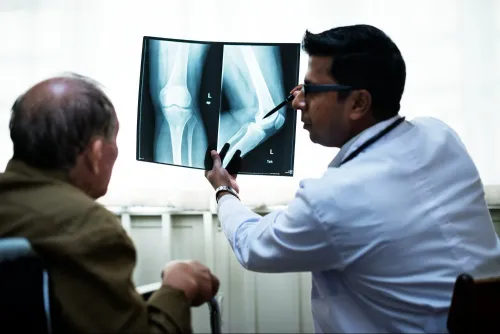
- Digital X-rays
- CT scan for complex fractures
- MRI scan if soft tissue injuries are suspected
These investigations allow the orthopaedic surgeon to select the most suitable treatment method.
Treatment Options for Fractures
Treatment depends on several factors, including the patient's age, overall health, and the type of fracture.
Non-Surgical Treatment
Many simple fractures heal successfully without surgery.
Treatment may include:
- Cast application
- Splints
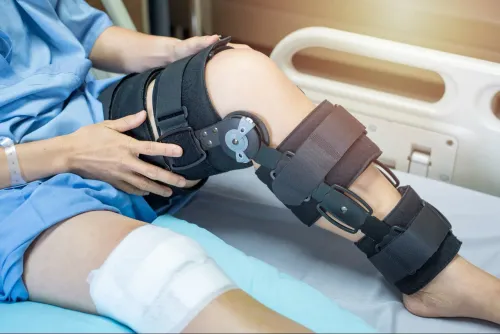
- Braces
- Pain management
- Regular follow-up X-rays
The affected bone is kept immobilised until healing is complete.
Surgical Treatment
Certain fractures require surgery to restore proper alignment.
This may involve:
- Plates and screws
- Intramedullary nails
- External fixation devices
- Joint reconstruction in complex injuries
Modern surgical techniques aim to stabilise the fracture while allowing earlier rehabilitation.
Why Early Treatment Matters
Seeking prompt medical care offers several advantages.
These include:
- Better bone alignment
- Faster healing
- Lower risk of complications
- Reduced chance of permanent deformity
- Improved joint function
- Earlier return to daily activities
Ignoring a fracture or delaying treatment may result in improper healing, requiring more extensive treatment later.
Recovery After a Fracture
Healing times vary depending on the bone involved and the severity of the injury.
Recovery generally includes:
- Protecting the injured area.
- Managing swelling and discomfort.
- Regular medical reviews.
- Physiotherapy to restore movement.
- Muscle-strengthening exercises.
- Gradual return to normal activities.
Following rehabilitation instructions carefully is just as important as the initial treatment.
Can Fractures Be Prevented?
Although accidents cannot always be avoided, certain measures can reduce the risk of fractures.
Helpful precautions include:
- Wearing protective sports equipment
- Maintaining strong bones through proper nutrition
- Regular weight-bearing exercise
- Fall-proofing the home for older adults
- Using appropriate safety equipment at work
- Treating osteoporosis when diagnosed
Strong bones and good balance significantly reduce the likelihood of serious injuries.
Fracture Care Near Basavangudi
Residents of Basavangudi and nearby areas such as Banashankari 3rd Stage, Jayanagar, Girinagar, and Padmanabhanagar can benefit from early orthopaedic assessment following any suspected fracture. Prompt diagnosis ensures the bone heals in the correct position and helps patients regain strength and mobility without unnecessary complications.
Every fracture deserves proper medical evaluation, regardless of whether the pain seems mild or severe. Early diagnosis, appropriate treatment, and structured rehabilitation are the key to successful recovery. With modern orthopaedic techniques and personalised care, most patients can return to their normal routines while minimising the risk of long-term problems.
Keywords