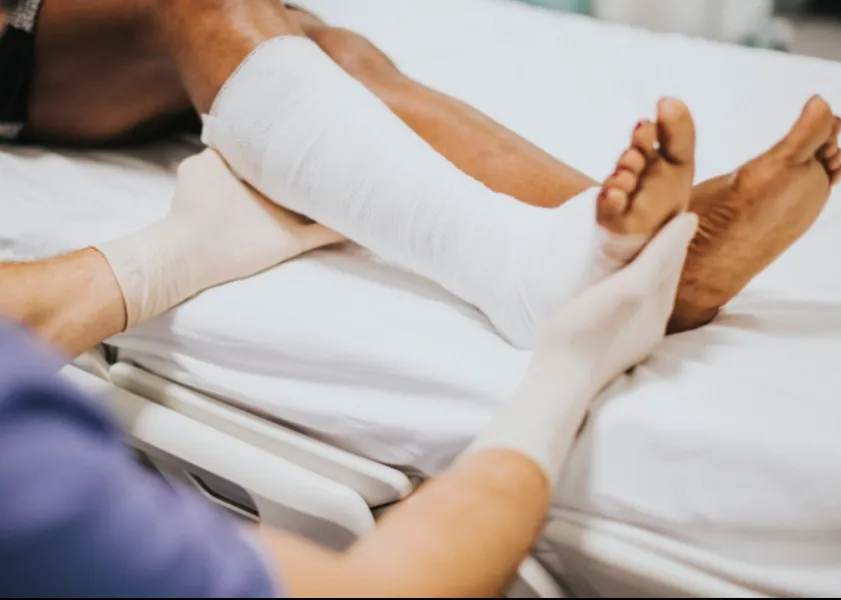
Not every broken bone is the same. While many fractures heal well with a cast or splint, some injuries are far more complicated and require advanced surgical expertise. These are known as complex fractures. They often involve multiple bone fragments, joint surfaces, severe soft tissue damage, or high-impact injuries. Without proper treatment, these fractures can lead to long-term pain, deformity, limited movement, and reduced quality of life.
At Leela Health Care Orthopaedic Clinic, complex fractures are evaluated using advanced imaging and a personalised treatment approach to restore bone alignment, preserve joint function, and help patients recover safely.
What Is a Complex Fracture?
A complex fracture is more severe than a simple broken bone. These injuries usually occur when significant force is applied to the body and often affect surrounding muscles, ligaments, tendons, nerves, or blood vessels.
Examples of complex fractures include:
- Multiple bone fragments (comminuted fractures)
- Open fractures where the bone breaks through the skin
- Joint fractures extending into the joint surface
- Pelvic fractures
- Multiple fractures from major trauma
- Fractures associated with ligament injuries
Because these injuries are more complicated, treatment requires careful planning and close monitoring throughout recovery.
Common Causes of Complex Fractures
These injuries are usually caused by high-energy trauma.
The most common causes include:
- Road traffic accidents
- Falls from significant heights
- Sports injuries involving high impact
- Industrial or workplace accidents
- Crush injuries
- Severe falls in elderly individuals with weak bones
Early medical attention is essential to reduce the risk of complications.
Symptoms That Need Immediate Evaluation
Complex fractures often present with more severe symptoms than ordinary fractures.
These may include:
- Intense pain
- Significant swelling
- Visible bone deformity
- Open wounds with exposed bone
- Inability to move the affected limb
- Numbness or tingling
- Heavy bleeding
- Shortened or twisted limbs
Any suspected complex fracture should be treated as a medical emergency.
How Are Complex Fractures Diagnosed?
A detailed evaluation helps determine the full extent of the injury.
Diagnosis generally includes:
- Physical examination
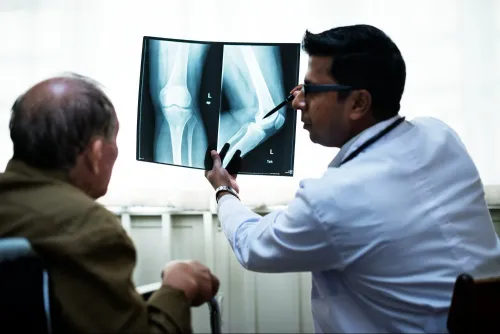
- Digital X-rays
- CT scan for detailed bone assessment
- MRI if ligament or tendon injuries are suspected
- Blood investigations when surgery is required
The surgeon also checks for nerve injuries, blood vessel damage, and soft tissue involvement before deciding on treatment.
Treatment Options for Complex Fractures
Treatment depends on the location and severity of the injury.
Surgical Fixation
Most complex fractures require surgery using:
- Plates
- Screws
- Intramedullary nails
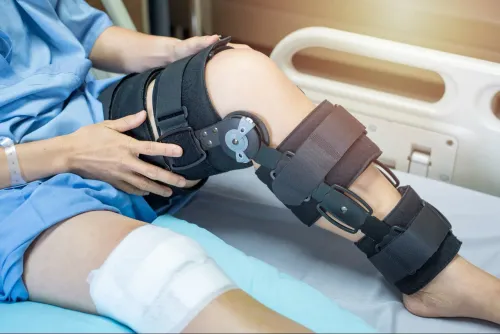
- External fixators
- Joint reconstruction techniques
These implants stabilise the fractured bone while allowing it to heal in the correct position.
Soft Tissue Repair
If muscles, tendons, or ligaments are also injured, they may need to be repaired during the same procedure.
Rehabilitation
Successful recovery continues long after surgery through structured physiotherapy and strengthening exercises.
Why Early Specialist Care Matters
Receiving specialised orthopaedic treatment soon after injury offers several important benefits.
These include:
- Better bone alignment
- Lower risk of permanent deformity
- Reduced chance of infection
- Improved joint movement
- Faster functional recovery
- Reduced risk of arthritis in joint fractures
Delayed treatment can make surgery more difficult and may affect long-term outcomes.
Recovery Following Complex Fracture Surgery
Recovery varies depending on the injured bone, age, and overall health.
A typical rehabilitation programme includes:
- Pain and swelling management.
- Protection of the injured limb.
- Gradual weight-bearing as advised.
- Physiotherapy to restore mobility.
- Muscle strengthening.
- Regular imaging to monitor bone healing.
Recovery may take several months, but following medical advice consistently improves the chances of a successful outcome.
Preventing Serious Bone Injuries
Although accidents cannot always be avoided, certain precautions help reduce the risk of severe fractures.
These include:
- Wearing helmets and protective gear during sports.
- Using seat belts while driving.
- Maintaining strong bones through adequate calcium and vitamin D intake.
- Exercising regularly to improve balance and strength.
- Creating a safer home environment for older adults to reduce falls.
These measures can lower the likelihood of serious orthopaedic injuries.
Advanced Fracture Care Near Padmanabhanagar
Residents of Padmanabhanagar and nearby localities such as Banashankari 3rd Stage, Girinagar, JP Nagar, and Basavanagudi often require prompt orthopaedic care following road accidents, sports injuries, or severe falls. Early assessment by an experienced specialist helps ensure appropriate treatment and improves the chances of regaining normal function.
Complex fractures demand more than routine fracture care. They require accurate diagnosis, advanced surgical planning, and a carefully supervised rehabilitation programme. With modern orthopaedic techniques and timely treatment, many patients are able to recover successfully, regain mobility, and return to their everyday activities with confidence.
Keywords