
Joint pain can interfere with everything from walking and climbing stairs to playing sports or carrying out daily activities. While some conditions improve with medication and physiotherapy, others require a closer look inside the joint to identify and treat the problem. Arthroscopy has transformed orthopaedic care by allowing surgeons to diagnose and treat many joint conditions through small incisions rather than traditional open surgery.
At Leela Health Care Orthopaedic Clinic, arthroscopy is recommended only after a detailed evaluation confirms that minimally invasive surgery is the most suitable treatment. This approach often helps patients recover faster while reducing post-operative discomfort.
What Is Arthroscopy?
Arthroscopy, often referred to as keyhole surgery, is a minimally invasive surgical procedure used to examine and treat problems inside a joint. During the procedure, a small camera called an arthroscope is inserted through a tiny incision. The camera displays high-definition images on a monitor, enabling the surgeon to accurately diagnose and treat damaged tissues.
Common joints treated using arthroscopy include:
- Knee
- Shoulder
- Ankle
- Hip
- Elbow
- Wrist
Because only small incisions are required, there is less damage to surrounding muscles and tissues compared to conventional surgery.
When Is Arthroscopy Recommended?
Not every joint condition requires arthroscopic surgery. However, it may be recommended when conservative treatments have failed to relieve symptoms.
Common reasons include:
- Torn ligaments
- Meniscus injuries
- Cartilage damage
- Shoulder instability
- Rotator cuff injuries
- Loose bone or cartilage fragments
- Persistent joint pain with an unclear cause
- Sports-related injuries
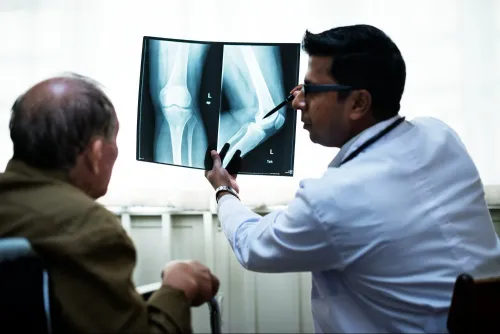
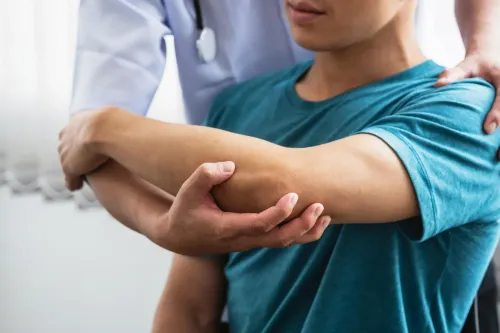
Your orthopaedic surgeon will recommend imaging tests and a physical examination before deciding whether arthroscopy is the right option.
Advantages of Arthroscopic Surgery
One of the biggest reasons arthroscopy has become popular is its ability to provide effective treatment with minimal disruption to healthy tissues.
Some key advantages include:
Smaller Incisions
Tiny surgical cuts usually result in less scarring and lower risk of wound-related complications.
Faster Recovery
Many patients recover more quickly than they would after open surgery, allowing them to resume everyday activities sooner.
Less Pain After Surgery
Smaller incisions generally mean reduced pain and swelling during the recovery period.
Improved Surgical Precision
The camera provides a magnified view of the joint, helping the surgeon treat damaged tissues with greater accuracy.
Shorter Hospital Stay
Many arthroscopic procedures are performed as day-care surgeries, allowing patients to return home on the same day.
Conditions Commonly Treated with Arthroscopy
Knee Injuries
Arthroscopy is frequently used to repair torn ligaments, treat meniscus injuries, remove loose fragments, and smooth damaged cartilage.
Shoulder Problems
Patients with recurrent shoulder dislocations, labral tears, or rotator cuff injuries often benefit from arthroscopic repair.
Sports Injuries
Athletes commonly undergo arthroscopy to treat injuries while preserving joint function and enabling a safe return to sports.
Cartilage Damage
Early treatment of cartilage injuries may help delay the progression of arthritis in selected patients.
What Happens During the Procedure?
Before surgery, patients undergo routine medical evaluation and imaging studies.
The procedure generally involves:
- Administration of suitable anaesthesia.
- Small incisions around the affected joint.
- Insertion of the arthroscope.
- Examination of internal joint structures.
- Repair or removal of damaged tissues using specialised instruments.
- Closure of the tiny incisions with stitches or adhesive strips.
The exact duration depends on the complexity of the condition being treated.
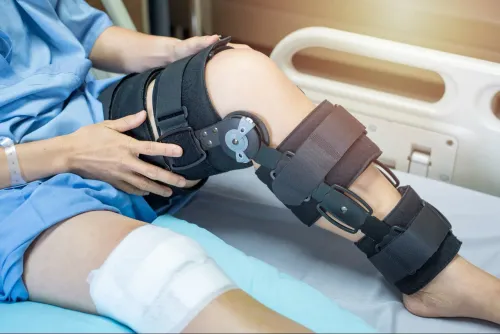
Recovery and Rehabilitation
Successful recovery depends not only on the surgery but also on a structured rehabilitation programme.
Patients are usually advised to:
- Begin gentle movement as recommended.
- Attend physiotherapy sessions regularly.
- Perform prescribed strengthening exercises.
- Avoid excessive strain during the healing phase.
- Attend scheduled follow-up appointments.
Recovery timelines vary depending on the procedure, age, and overall health, but many patients notice gradual improvement within a few weeks.
Is Arthroscopy Suitable for Everyone?
Although arthroscopy offers many benefits, it is not appropriate for every joint problem.
Open surgery may still be necessary for:
- Severe joint deformities
- Advanced arthritis
- Complex fractures
- Extensive bone damage
- Certain infections
A detailed consultation helps determine the most effective treatment for each patient.
Accessing Arthroscopy Services in Jayanagar
People living in Jayanagar and nearby areas such as Banashankari 3rd Stage, Padmanabhanagar, Girinagar, and RR Nagar often seek early evaluation for persistent joint pain or sports injuries. Prompt diagnosis allows appropriate treatment before the condition worsens and affects long-term mobility.
Arthroscopy has significantly improved the way many orthopaedic conditions are treated. Its minimally invasive approach, combined with modern surgical techniques and rehabilitation, enables patients to recover with less discomfort while restoring joint function. Understanding when this procedure is appropriate can help individuals make informed decisions and return to an active lifestyle with greater confidence.
Keywords