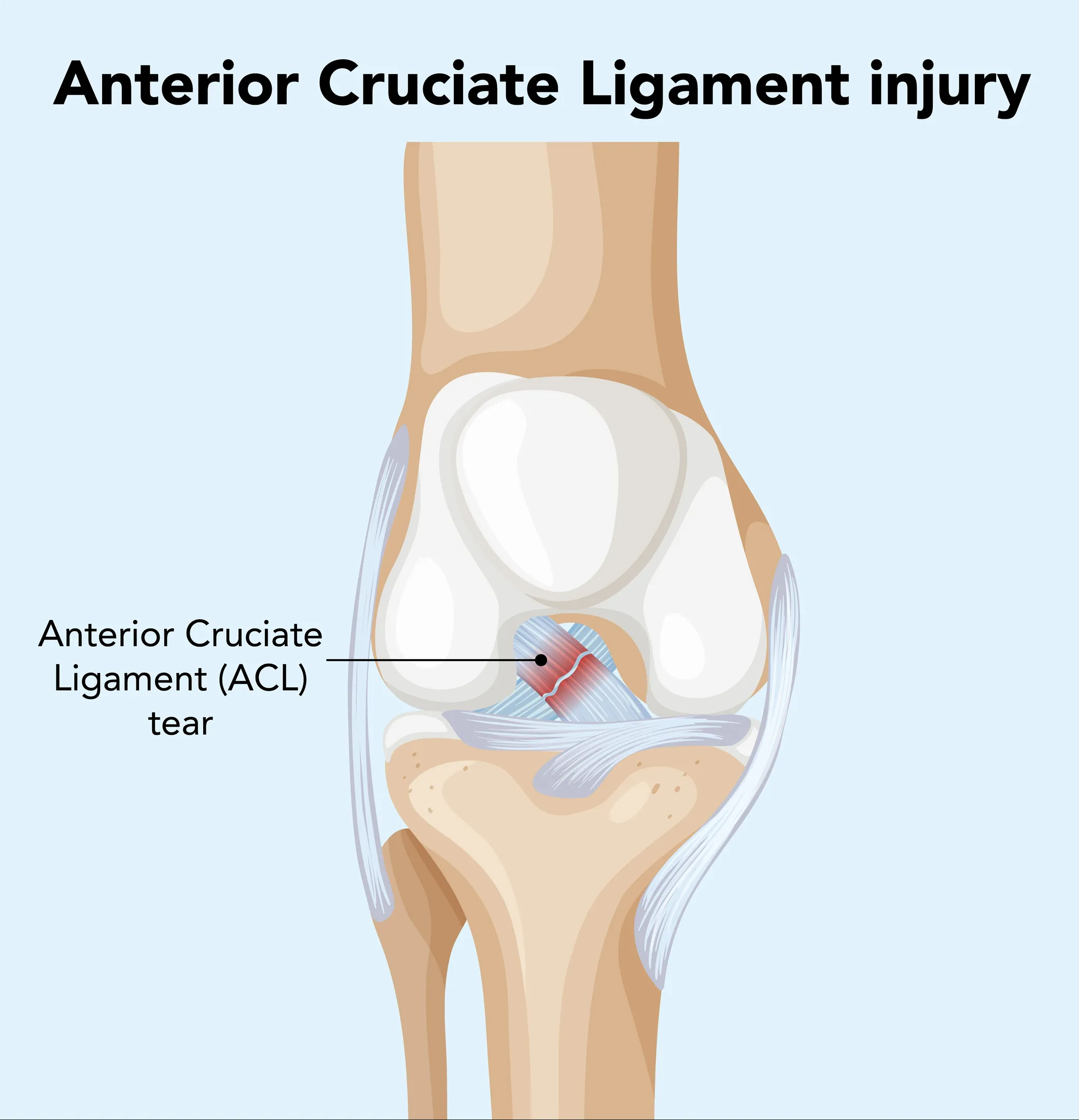
A sudden twist during football, badminton, running, or another sporting activity can result in an anterior cruciate ligament injury. The ACL is one of the major stabilising ligaments of the knee, and significant injury can cause instability during turning, pivoting, or rapid changes in direction.
An ACL tear does not automatically mean that every patient needs surgery. The decision depends on knee stability, activity requirements, associated injuries, and the patient's individual goals.
How Does an ACL Injury Usually Occur?
ACL injuries commonly happen when the knee experiences an abrupt rotational or deceleration force.
A patient may describe:
- A sudden twisting injury
- A popping sensation
- Rapid swelling
- Difficulty continuing the activity
- Pain during the initial injury
- A feeling that the knee gives way later
Interestingly, pain may settle after the early phase even when instability remains. This is why repeated episodes of the knee giving way should not be ignored.
How Is an ACL Tear Diagnosed?
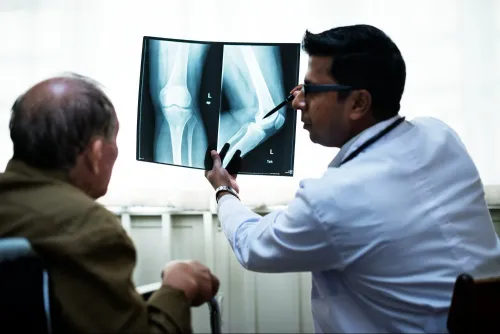
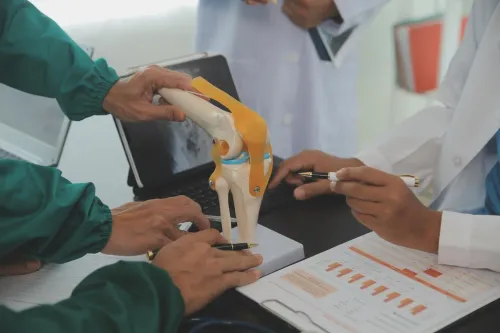
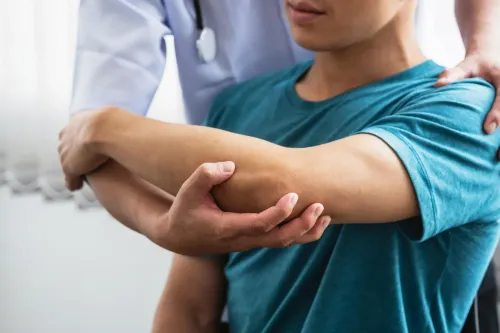
Diagnosis starts with the history of the injury and a detailed knee examination. Orthopaedic specialists use specific clinical tests to assess ligament stability.
MRI may be advised when confirmation is required or when associated meniscus, cartilage, or other ligament injuries are suspected.
The scan should be interpreted together with the patient's symptoms and examination rather than considered in isolation.
Does Every ACL Tear Require ACL Surgery?
No.
A person with lower physical demands who has a stable knee and is able to return to required activities after rehabilitation may sometimes be managed without reconstruction.
Surgery becomes more relevant when there is persistent functional instability, repeated giving-way episodes, high-demand sporting requirements, or associated injuries that influence knee function.
Young or highly active patients participating in pivoting sports may have different requirements from people whose everyday activities place relatively little rotational demand on the knee.
What Happens During ACL Reconstruction?
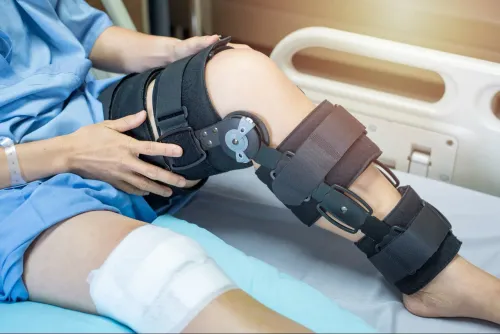
When reconstruction is indicated, the damaged ligament is typically replaced using a graft. The exact graft choice and surgical technique depend on multiple clinical factors.
ACL reconstruction is commonly performed arthroscopically, using small incisions and a camera to visualise structures within the knee.
The procedure is only one stage of treatment. Successful recovery also depends heavily on rehabilitation.
Why Rehabilitation Matters
Before and after surgery, rehabilitation can help restore:
- Knee movement
- Quadriceps and hamstring strength
- Balance
- Neuromuscular control
- Functional stability
- Sport-specific movement patterns
Returning to sport is generally based on recovery milestones rather than simply counting weeks after surgery.
At Leela Health Care Orthopaedic Clinic in Bengaluru, ACL injuries can be assessed in the context of the patient's activity level, knee stability, associated damage, and rehabilitation requirements.
Avoid Returning to Sport Too Early
Feeling comfortable during ordinary walking does not necessarily mean the knee is ready for competitive sport.
Running, jumping, landing, pivoting, and sudden changes of direction place considerably greater demands on the reconstructed knee. Functional testing and professional clearance therefore play an important role in return-to-sport decisions.
For active people across Bengaluru and Karnataka, early assessment after a significant twisting injury can help clarify whether the ACL is involved and whether rehabilitation alone or surgical reconstruction should be considered.
The goal is not merely to treat an MRI finding. It is to restore a knee that can safely meet the functional demands of the individual patient.
Keywords