Not every broken bone is equally difficult to treat. Some fractures remain well aligned and can heal with immobilisation, while others involve multiple fragments, joints, significant displacement, soft-tissue injury, or difficult anatomical areas. These injuries may require complex fracture treatment.
Recognising why one fracture requires more extensive management than another helps patients understand the treatment recommendations they receive.
What Makes a Fracture Complex?
A fracture may be considered complex because of its pattern, location, associated injuries, or the patient's overall circumstances.
Examples include:
- Multiple bone fragments
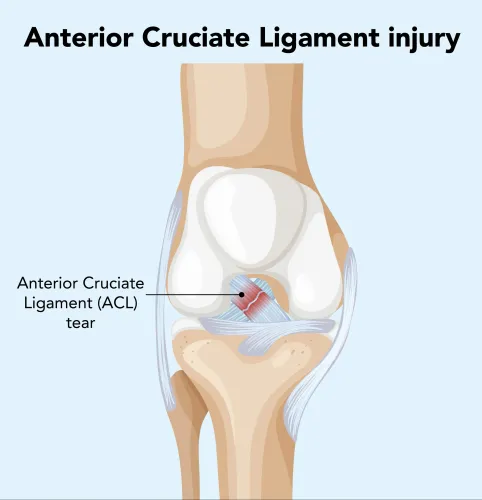
- Fractures extending into a joint
- Open fractures where the skin is disrupted
- Significantly displaced fractures
- Injuries involving nearby nerves or blood vessels
- Fractures associated with major soft-tissue damage
- Multiple fractures following high-energy trauma
- Fractures that have failed to heal normally
Age, bone quality, diabetes, smoking history, and other health factors can also influence healing.
Why Alignment Matters
Bones need suitable stability and alignment to heal effectively.
When a fracture involves a joint, restoring the joint surface may be particularly important for future movement and function. Significant displacement can also affect limb alignment.
This is why two people with a fracture of the 'same bone' may receive completely different treatment recommendations.
Casting or Surgery?
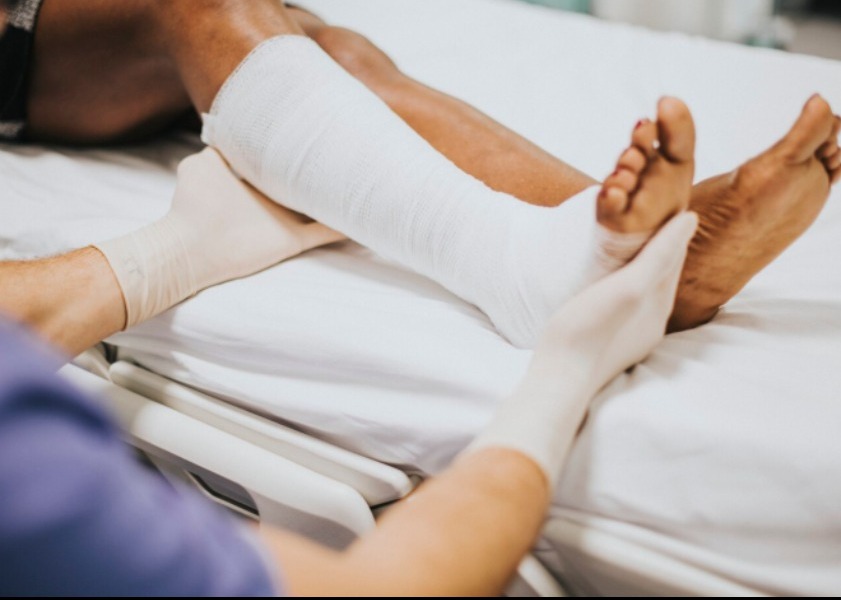
Stable fractures may sometimes be treated with a cast, splint, brace, or other form of immobilisation.
Surgery may be considered when adequate alignment or stability cannot be maintained conservatively or when the injury pattern makes fixation preferable.
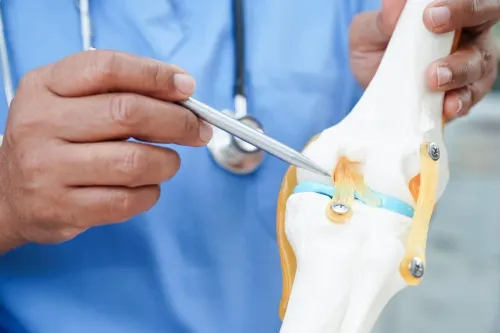
Depending on the fracture, surgical fixation may involve plates, screws, rods, wires, or other devices. The appropriate method is determined by fracture anatomy and patient factors.
Warning Signs After an Injury
Following a substantial injury, urgent assessment is particularly important when there is:
- Visible deformity
- An open wound near a suspected fracture
- Severe swelling
- Numbness or altered sensation
- Pale or unusually cold fingers or toes
- Inability to use the injured limb
- Severe or worsening pain
Major trauma and suspected open fractures require prompt emergency assessment.
Why Follow-Up Is Important
Treatment does not end once a fracture has been immobilised or fixed.
Follow-up imaging may be used to monitor alignment and healing. The orthopaedic team may gradually adjust weight-bearing or movement restrictions as recovery progresses.
Starting unrestricted activity too early can create problems, while unnecessary prolonged immobilisation can contribute to stiffness and muscle weakness. Rehabilitation therefore needs to be timed according to the injury.
For patients in Bengaluru, Leela Health Care Orthopaedic Clinic provides orthopaedic assessment for fractures and musculoskeletal injuries, including situations where ongoing evaluation or more complex management may be required.
Questions Worth Asking About a Complex Fracture
Patients and family members should understand:
- Which bone and joint structures are affected
- Whether the fracture is stable
- Why surgery is or is not recommended
- How long protection may be necessary
- When movement can begin
- When weight-bearing is permitted
- Whether physiotherapy will be required
- Which symptoms require urgent reassessment
Complex fracture treatment is ultimately about more than joining broken bone. The aim is to support healing while preserving alignment, movement, stability, and as much long-term function as possible.
In a busy city such as Bengaluru, where returning to work and independent mobility often matters greatly, following the correct recovery stages can be just as important as the initial fracture treatment itself.
Keywords